
Skip to content

Cart

Your cart is empty

Continue shopping

Trending right now

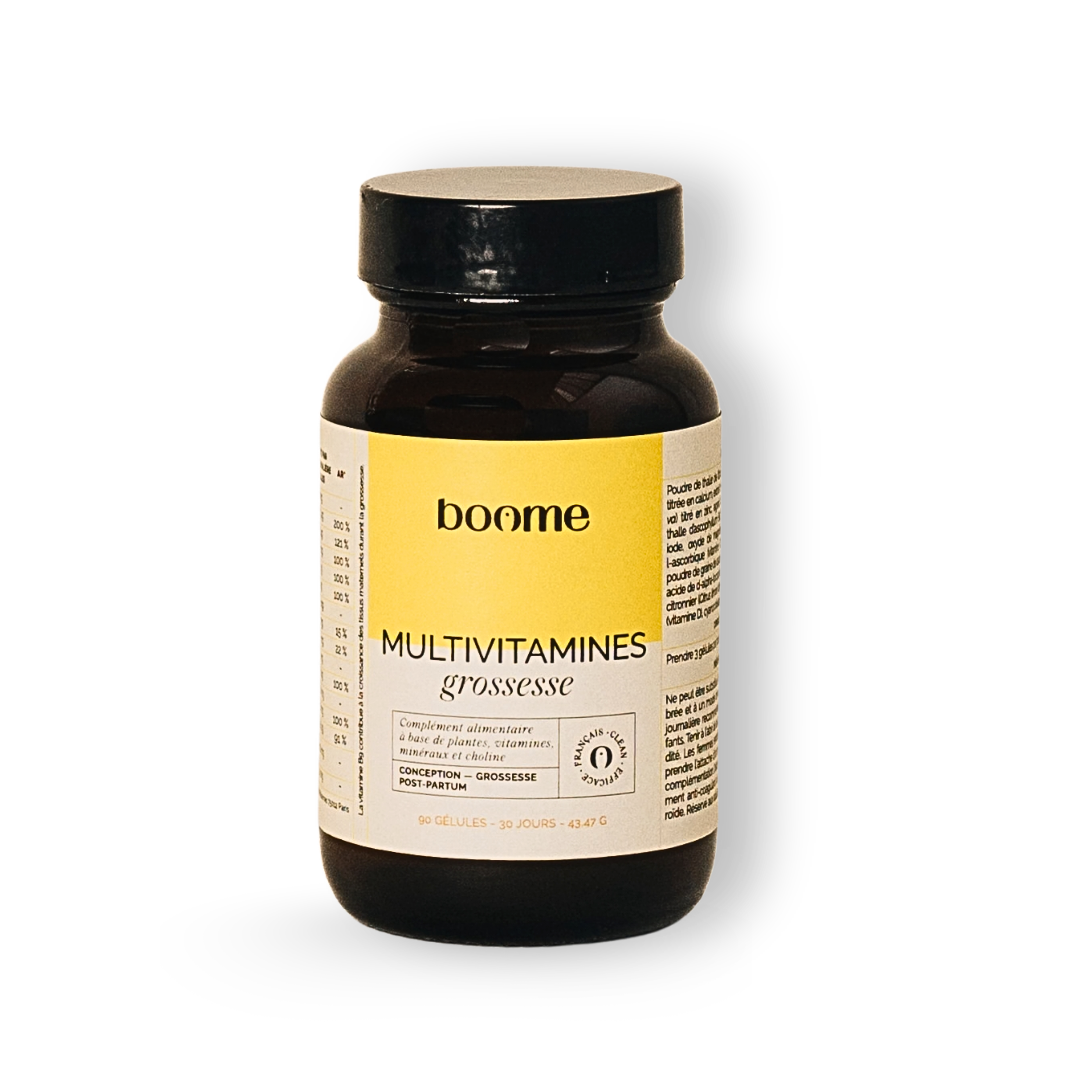
Multivitamines Grossesse
Sale priceFrom 39€
(4.7)
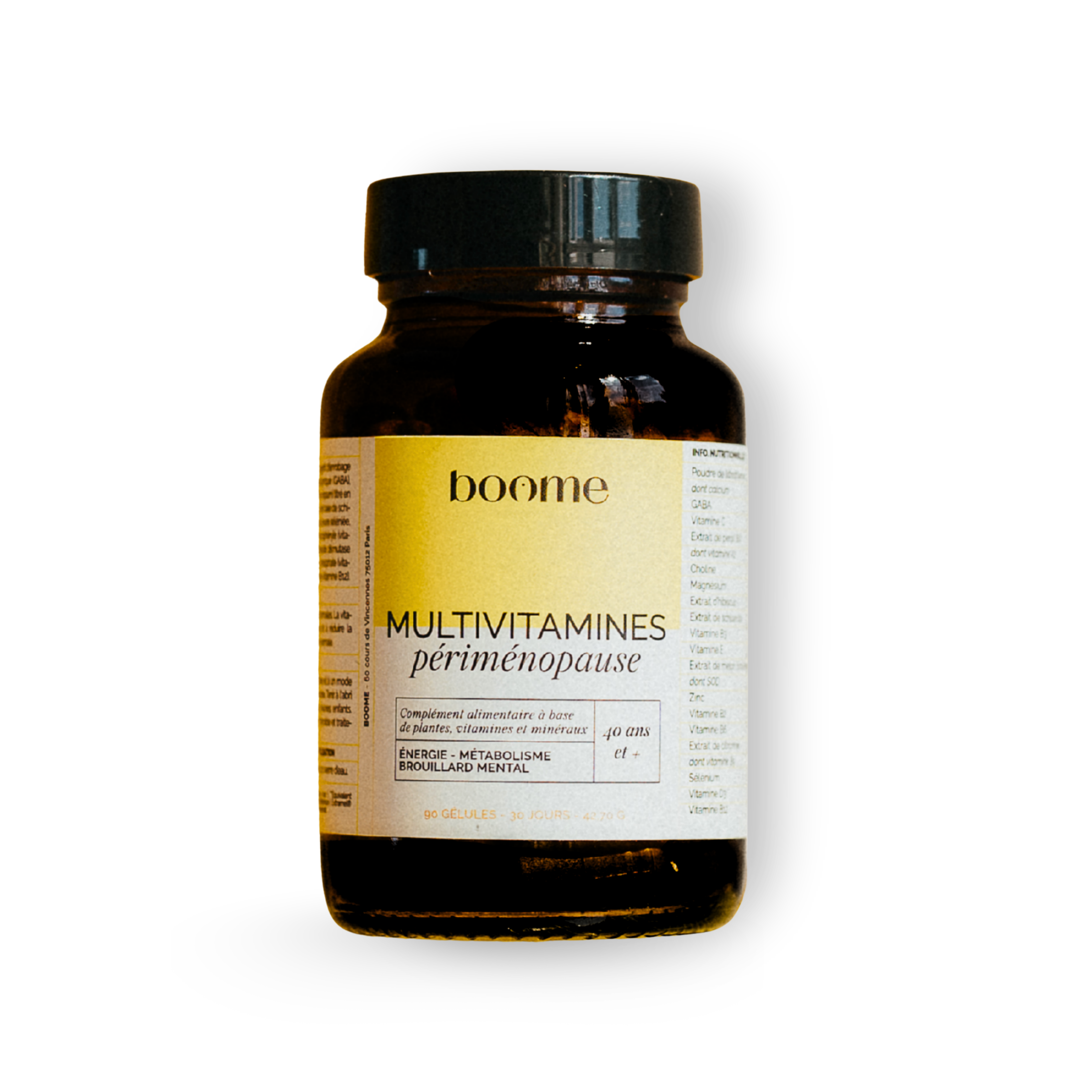
Multivitamines Perimenopause
Sale priceFrom 42€
(5.0)

Omega 3 Vegan food supplement

Omega 3 Vegan

Vegan and natural food supplement made from microalgae (Schizochytrium sp., a direct source of DHA and EPA). A plant-based alternative to fish oils, carrageenan-free.

  • 250 mg of DHA per dose
  • Omega-3 from cultivated microalgae
  • TOTOX index ≤ 5
  • QualitySilver® stabilization technology
  • Vegan formula, carrageenan-free
Why do a long-term treatment?

Formulated by healthcare professionals

Also available at pharmacies

At Boome, clean isn't an effort. It's the minimum. No controversial ingredients or additives, no solvents in our capsules...
Composition & Health Claims

Composition:

Oil extracted from the microalga Schizochytrium sp. with high EPA and DHA content, stabilizer: hydroxypropyl starch, humectant: glycerol, vegetable oil (sunflower oil), antioxidants: mixed tocopherols - sunflower lecithin - rosemary extract.

Health claims:

¹Maternal DHA intake contributes to the normal brain and eye development of the fetus and breastfed infant. *The beneficial effect is obtained with a daily intake of 200 mg of DHA, in addition to the recommended daily intake of omega-3 fatty acids for adults, which is 250 mg of DHA and EPA. ²DHA contributes to normal brain function and the maintenance of normal vision. **The beneficial effect is obtained with a daily intake of 250 mg of DHA. ³Eicosapentaenoic acid (EPA) and docosahexaenoic acid (DHA) contribute to normal heart function. ***The beneficial effect is obtained with a daily intake of 250 mg of EPA and DHA.

Dosage & instructions for use

Take 1 capsule a day with a large glass of water, during or at the end of a meal.

How long should Omega 3 be taken for?

  • If you regularly (several times a week) eat small fatty fish, such as sardines, anchovies or herring, our vegan Omega 3 can be consumed as a course of 1 to 3 months, once or twice a year.
  • If you eat little fish or if you follow a vegetarian diet, daily consumption over a prolonged period is recommended.

Who can take vegan Omega 3? All women (on a maternity journey, during perimenopause, menopause, etc.). Vegan Omega 3 is compatible with pregnancy and breastfeeding. However, we invite you to consult a healthcare professional before any supplementation. Vegan Omega 3 is also suitable for men.

Is my vegan Omega 3 course compatible with the entire range? Vegan Omega 3 is compatible with our entire range.

Bottle of 30 capsules - 30 days - 1 capsule per day
Net weight: 27.89 g

Contraindications:

Cannot replace a varied and balanced diet and a healthy lifestyle. Do not exceed the recommended daily dose. Keep away from heat, humidity and out of reach of young children. For adults only. Pregnant and breastfeeding women are advised to consult a healthcare professional before taking any supplements.

Nutrition Facts Quantity / day
Oil from the microalgae Schizochytrium sp. 625 mg
of which DHA 250 mg
of which EPA 125 mg

Amount for 1 capsule per day

Scientific studies

Omega 3 Vegan
Omega 3 Vegan1 month Sale price29€

Carrageenan-free

Formulated by experts

Compatible with pregnancy and breastfeeding

Made in France

Zero controversial ingredients

Omega 3 Boome

Sourced at the source

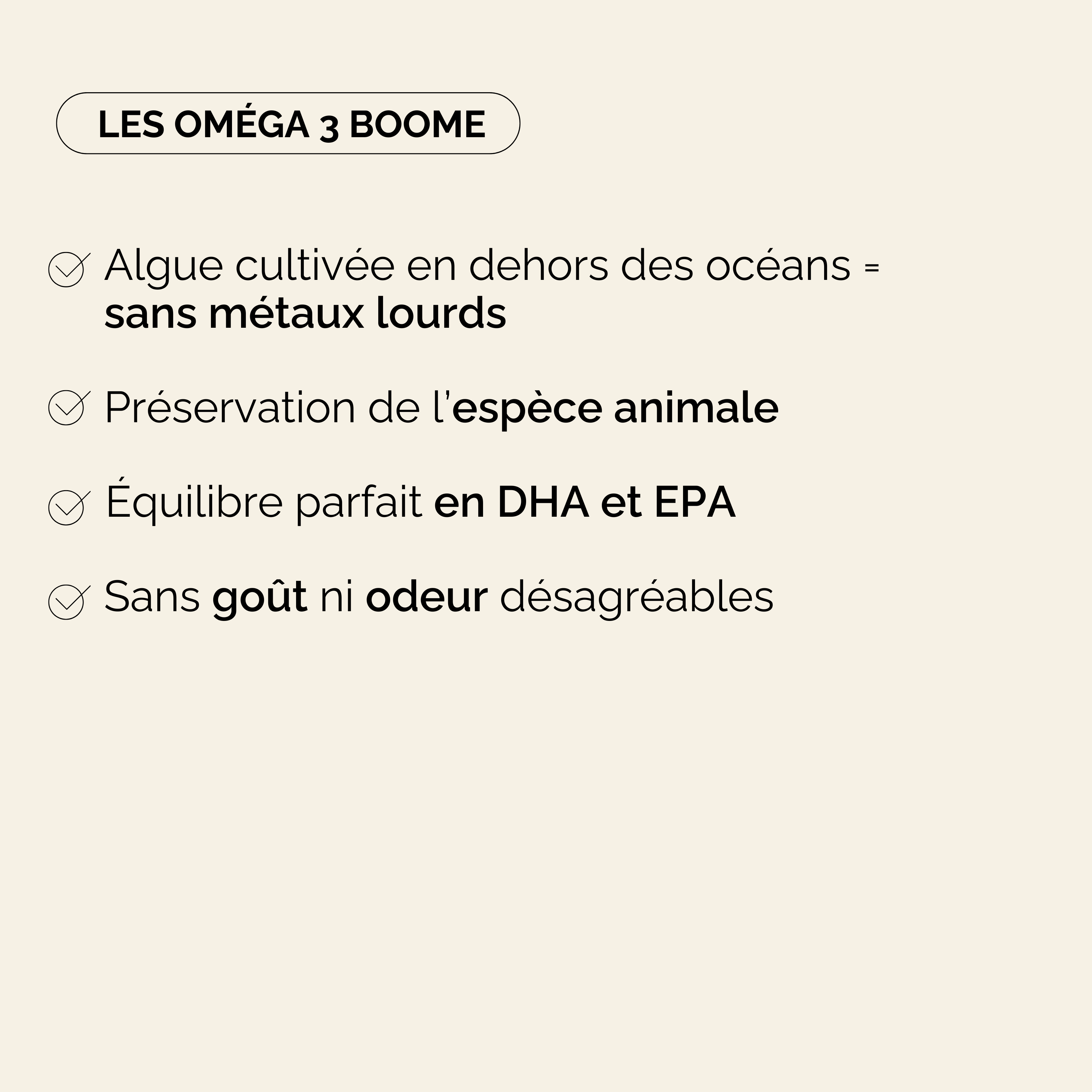
Our Omega-3s come from microalgae, as plankton and algae are the original source of marine Omega-3s (fish that contain Omega-3s feed on algae and plankton).

Controlled Environment Agriculture

Our production is cultivated under controlled conditions, free from any oceanic pollution. Environmentally, this sourcing means we do not contribute to overfishing.

Oil Quality

Our omega-3 oil benefits from QualitySilver® technology, a process designed to protect the oil against oxidation and preserve the quality of sensitive fatty acids such as DHA and EPA. The TOTOX index (an indicator used in the industry to assess the oxidation of omega-3 oils) of our product is less than 5, one of the lowest on the market.

Key Ingredients & Scientific Studies

Sourcing is our priority, formulation our expertise. Each ingredient has been selected for its quality and recognized nutritional role, based on numerous scientific studies (some active ingredients are patented). A clean formula, without superfluous ingredients or controversial additives.
Microalgae Schizochytrium sp.

Microalgae oil Schizochytrium sp. is an alternative to fish oil, which is commonly used for Omega-3s. Fish, in fact, do not produce omega-3s; they accumulate them by eating algae.


A true healthy and ecological alternative thanks to its composition, the microalga Schizochytrium sp. is cultivated free from any oceanic pollution, making it a more responsible ingredient free of heavy metals. No odor and no problems associated with overfishing. [1]


For informational purposes, one ton of algal oil is equivalent to 60 tons of wild fish. This microalga is also very rich in Omega-3, as the DHA content can reach 45%, compared to 25.2% for fish oil. [1,2]


Furthermore, several scientific studies have investigated the role of omega-3s in the body, particularly during the maternity journey. [3-7]

Microalgae Schizochytrium sp.

[1] Topuz O. K. « ALGAL OIL: A NOVEL SOURCE OF OMEGA-3 FATTY ACIDS FOR HUMAN NUTRITION ».

[2] Irnawati et al. « Fatty acid composition, biological activity and authentication of marine fish oil ». Food Res. [En ligne]. 19 décembre 2023. Vol. 7, n°6, p. 187‑196. Disponible sur : < https://doi.org/10.26656/fr.2017.7(6).472 >

[3] Trop-Steinberg S. et al. « Effect of omega-3 supplements or diets on fertility in women: A meta-analysis ». Heliyon [En ligne]. 30 avril 2024. Vol. 10, n°8, p. e29324. Disponible sur : < https://doi.org/10.1016/j.heliyon.2024.e29324 >

[4] Miller S. et al. « Intake of total omega-3 docosahexaenoic acid associated with increased gestational length and improved cognitive performance at 1year of age ». Journal of Nutritional Health & Food Engineering [En ligne]. 1 décembre 2016. Vol. Volume 5, n°Issue 3,. Disponible sur : < https://doi.org/10.15406/jnhfe.2016.05.00176 >

[5] Trop-Steinberg S. et al. « Omega-3 Intake Improves Clinical Pregnancy Rate in Polycystic Ovary Syndrome Patients: A Double-Blind, Randomized Study ». Isr Med Assoc J. février 2023. Vol. 25, n°2, p. 131‑136.

[6] Stanhiser J. et al. « Omega-3 fatty acid supplementation and fecundability ». Hum Reprod [En ligne]. 3 mai 2022. Vol. 37, n°5, p. 1037‑1046. Disponible sur : < https://doi.org/10.1093/humrep/deac027 >

[7] Smuts C. M. et al. « A randomized trial of docosahexaenoic acid supplementation during the third trimester of pregnancy ». Obstet Gynecol [En ligne]. mars 2003. Vol. 101, n°3, p. 469‑479. Disponible sur : < https://doi.org/10.1016/s0029-7844(02)02585-1 >

The Boome difference

Formulas without compromise

No additives or controversial ingredients, no questionable raw materials. Our capsules are natural and solvent-free.

Experts by our side

Each formula is validated by independent experts (gynecologist, pharmacologist, naturopath, etc.) to offer you the best combinations of ingredients.

Naturalness and quality

The majority of our active ingredients come from nature. Our promise of naturalness is combined with scientific excellence, thanks to patented active ingredients with proven efficacy.

Security

French manufacturing, traceability, compliance with regulations, we leave nothing to chance. Our finished products are subject to independent random checks.

Taking care of others

We donate a portion of our profits to associations working to combat women's precariousness. We are a member of 1% for the Planet. Making a Boome purchase also means supporting those in need.

FAQs

Why consume omega-3 fatty acids?

Long-chain omega-3 fatty acids, including DHA (docosahexaenoic acid) and EPA (eicosapentaenoic acid), are nutrients found in the body. They contribute to nutritional balance and are involved in several physiological functions (vision², cognition²).

During maternity: During pregnancy and breastfeeding, maternal DHA consumption contributes to the normal development of the eyes and brain of the fetus and breastfed infant [1,2].* Adequate intake is essential to support neural growth from conception.

Daily (Outside of maternity):

  • Cognitive Functions: DHA contributes to normal brain function and the maintenance of normal vision.**
  • Skin Beauty: It may also have a positive impact on skin elasticity and hydration. [3,4]
  • Heart Health³: Several studies suggest that DHA and EPA supplementation may be beneficial for heart health [5]***

Why are omega-3 fatty acids important during maternity?

During pregnancy and lactation, maternal DHA intake contributes to the normal brain and eye development of the fetus and breastfed infant.*

What is the role of omega-3 fatty acids in heart function?

EPA and DHA contribute to normal heart function.*** These omega-3 fatty acids are thus associated with the proper functioning of the cardiovascular system.

Can you take omega-3s during pregnancy?

During pregnancy and breastfeeding, a mother’s intake of DHA contributes to the normal development of the brain and eyes of the foetus and breastfed baby.* Omega-3s can therefore help to supplement nutritional intake during this period.

Do omega-3 fatty acids contribute to cognitive function and vision?

DHA contributes to normal brain function and the maintenance of normal vision.**

How much DHA does your supplement provide?

Each dose provides 250 mg of DHA and 125 mg of EPA.

What are DHA and EPA?

Docosahexaenoic acid (DHA) and eicosapentaenoic acid (EPA) are essential polyunsaturated fatty acids (PUFAs) belonging to the Omega-3 family. They are produced from another Omega-3 fatty acid: alpha-linolenic acid, found in vegetable oils (such as flaxseed oil), nuts, and seeds. DHA contributes to the maintenance of normal vision and normal brain function.**

How to choose your Omegas? What is the TOTOX index?

The TOTOX index of your Omegas should be displayed on the bottle or mentioned on the website. The TOTOX (Total Oxidation) index is used to determine the oxidation state of an oil. It is a good indicator of oil quality, as a quality oil generally has a low TOTOX value, below 10. According to GOED, the TOTOX index can be a maximum of 26. Our product has a TOTOX index of ≤ 5, considered one of the lowest on the market.

Why choose algae oil over conventional fish oil?

The choice of the microalgae Schizochytrium sp. offers two major advantages:

  1. Purity: Unlike fish, which can accumulate heavy metals and marine pollutants, our algae are cultivated in a controlled and protected environment.
  2. Ethics: It is the only direct vegan and sustainable source of EPA and DHA. Did you know that fish don't produce Omega-3s? They get them by eating... algae! By choosing Boome, you go back to the source.

Why choose Boome’s vegan Omega 3 food supplement?

In addition to having a very low TOTOX index and being carrageenan-free, our product is particularly rich in DHA and EPA. The DHA content of Schizochytrium sp. oil is higher than that of fish (45% vs. 25.2% for fish oil) [1,2]. EPA, on the other hand, is often absent from vegan alternatives.

Composed of microalgae oil, and therefore free of fish oil, our Omega 3s are vegan and pose no risk of containing heavy metals. Furthermore, our choice of a supplement based on cultivated algae helps protect marine ecosystems and avoid the pitfalls of overfishing.

Is this product compatible with pregnancy and breastfeeding?

Yes, Vegan Omega 3 is compatible with pregnancy and breastfeeding. Numerous studies have proven the benefits of Omega 3 intake during pregnancy, breastfeeding, and postpartum. Vegan Omega 3 is compatible with our entire range.

How do you know if you are deficient in Omega 3?

An Omega-3 deficiency can manifest in various ways. It might go unnoticed. Therefore, it's best to ask your doctor to include Omega-3s in your blood test.

Is it good to take Omega 3 every day?

As part of a balanced diet, it is recommended to increase your sources of Omega-3, such as regular consumption of small fish (e.g., sardines, anchovies, or herring) or oils rich in them. In this case, our vegan Omega-3 can be taken as a 1 to 3-month course, once or twice a year.

Where to find Omega 3 when you are vegetarian or vegan?

If you follow a vegetarian or vegan diet, some vegetable oils are an excellent source of Omega-3, such as flaxseed oil, camelina oil or walnut oil. Be careful not to heat them so as not to lose their benefits.

Chia seeds, hemp seeds, walnuts or flax seeds (freshly ground) can also be an ideal alternative.

A daily intake is recommended, but is not always simple with our modern diet. This is why a daily intake of plant-based Omega-3 rich food supplements can be a good solution.