
Skip to content

Cart

Your cart is empty

Continue shopping

Trending right now

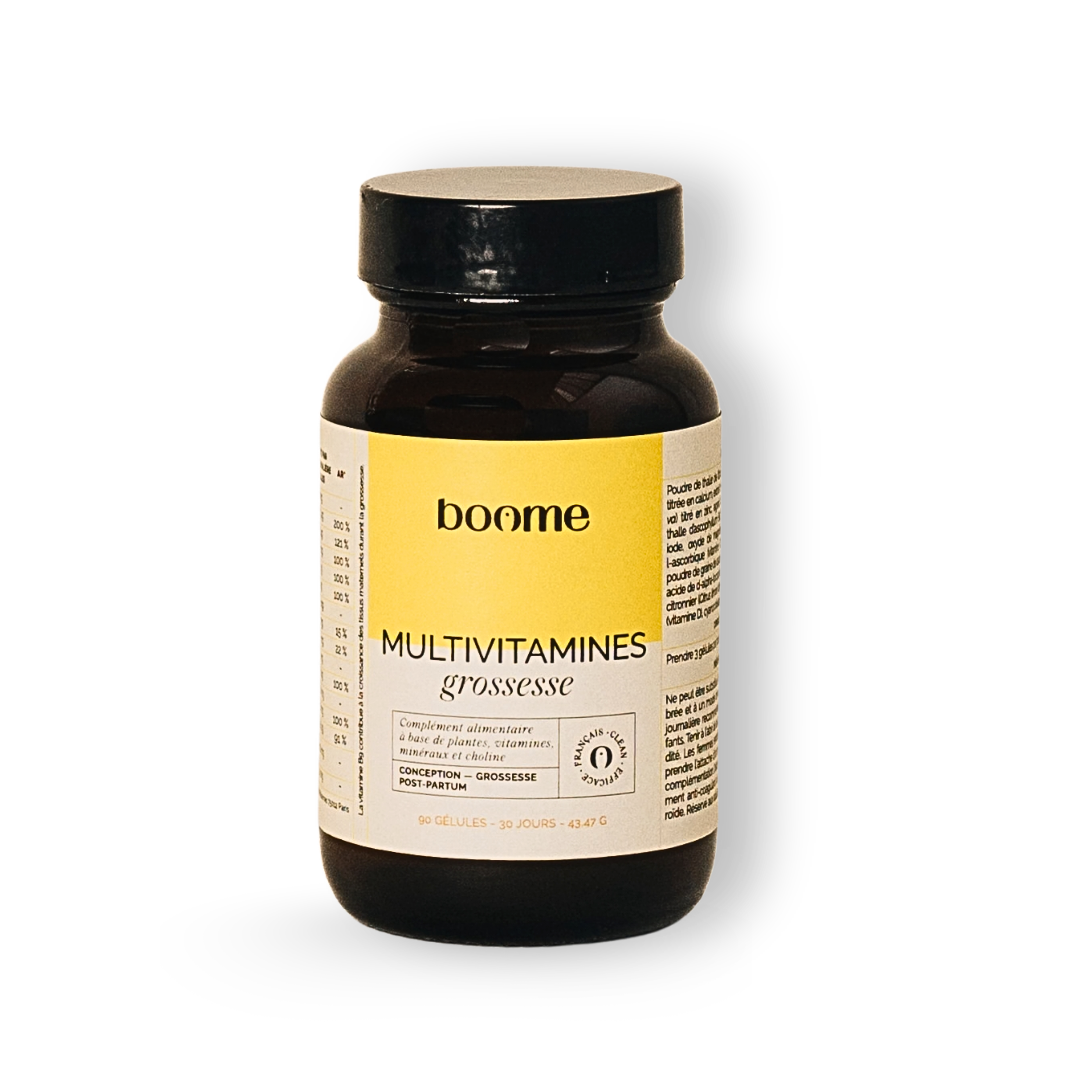
Multivitamines Grossesse

Pregnancy vitamins

Sale priceFrom 39€
(4.7)
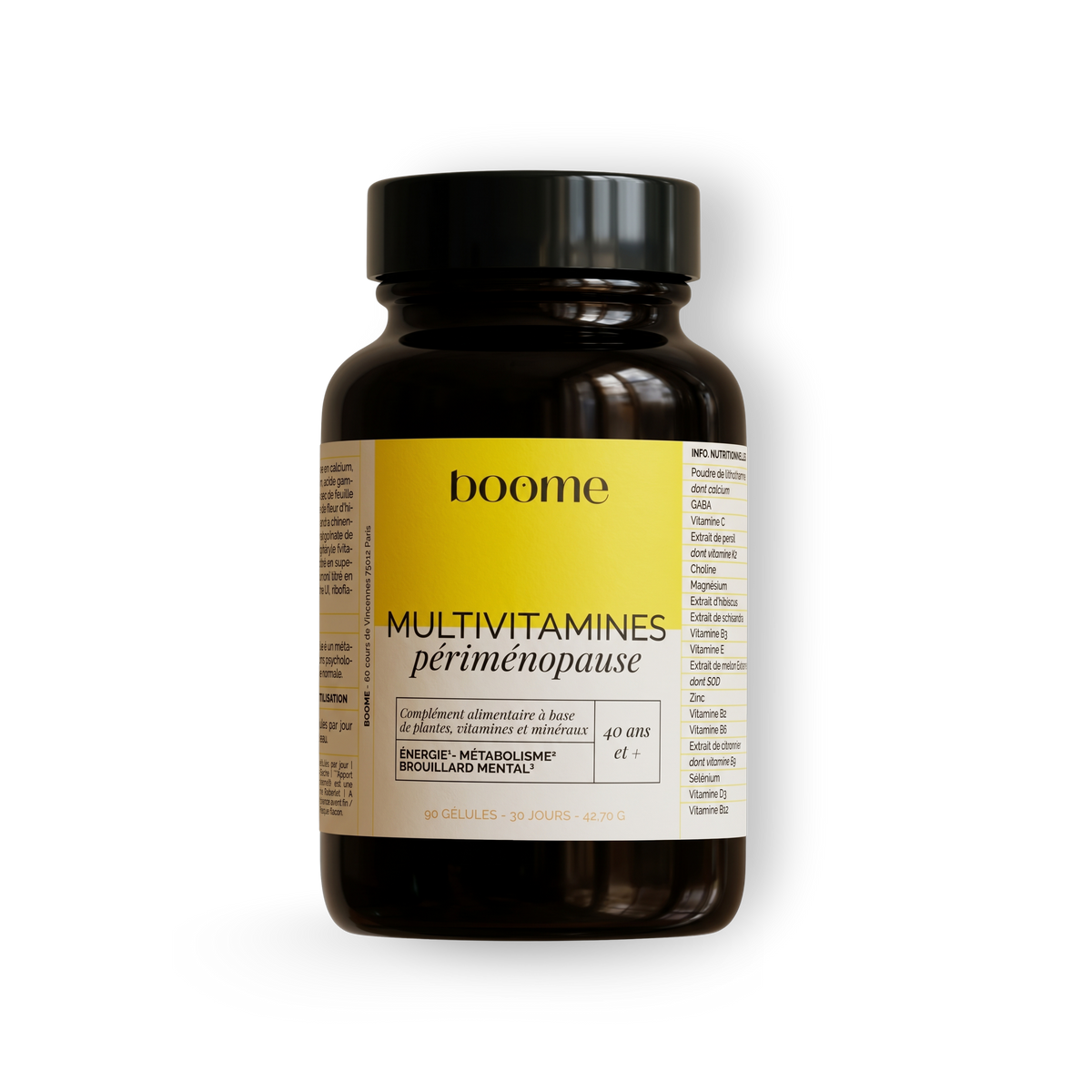
Multivitamines Perimenopause

Vitamins for perimenopause, ideal from age 40

Sale priceFrom 42€
(5.0)
4.5/5 based on 647 reviews

Food supplements for fertility

Before conception, there's preparation. The desire for a child marks the beginning of a journey where body preparation is essential. A baby project is a long-term endeavor that starts months before pregnancy. While your lifestyle plays a key role, optimizing your hormonal health and supporting your nutritional needs are crucial. Targeted fertility supplements can then help you.

At Boome, we have designed a multi-stage approach to support this period consistently and progressively, with natural fertility supplements.

1. Laying the nutritional foundations: From the start of a baby project, nutritional needs are long-term. Our Pregnancy Multivitamin has been formulated to provide essential vitamins and minerals from conception, with a view to continuous intake, to build up essential nutrient reserves before, during, and after pregnancy. In a conception journey, it provides the recommended intake of natural and methylated vitamin B9, Choline, and Zinc.

2. Supporting your fertility: Our Baby Boost and Baby Boost Homme fertility vitamins are targeted formulas, formulated to support your preconception period.

As a bonus, optimize your body: Probiotics or Detox are formulated to prepare your body before welcoming a pregnancy. These food supplements can be integrated according to your needs, in addition to your current treatment.

FAQs

Which food supplements should you take to boost your fertility?

Choosing a complex of vitamins, herbs, and minerals can help support female fertility (and male fertility, for that matter) and cover every aspect of preconception: the cycle, ovulation, and cellular health. To support their preconception, women who wish to conceive can therefore rely on a food supplement rich in specific vitamins and nutrients that diet alone struggles to provide. Vitamin B9 (also known as folic acid), evening primrose oil, pomegranate, myo-inositol, and red clover make up our fertility vitamins (Baby Boost).

Find out more


Detox: Dandelion contributes to urinary elimination, helps maintain liver health and digestive comfort. Milk thistle contributes to liver protection, promotes digestion and body purification. Dandelion helps with liver and digestive well-being. Turmeric helps support digestion and contributes to digestive comfort. Turmeric helps maintain liver health.

Multivitamines Grossesse: Zinc contributes to normal fertility and reproduction. Vitamin B9 contributes to maternal tissue growth during pregnancy. Vitamins B9, B12 and magnesium help reduce fatigue. Iodine contributes to normal production of thyroid hormones and normal thyroid function. Vitamin B9 plays a role in the process of cell division. Vitamin B9 contributes to normal amino acid synthesis and normal blood formation. Magnesium contributes to normal energy metabolism. Iodine contributes to normal cognitive function. Iodine contributes to the normal functioning of the nervous system. Magnesium plays a role in the process of cell division. Vitamin C contributes to protecting cells from oxidative stress and to the regeneration of the reduced form of vitamin E. Vitamin C increases iron absorption.

Baby Boost: Zinc contributes to normal fertility and reproduction. Zinc helps protect cells from oxidative stress. Zinc contributes to normal protein synthesis. Folates contribute to the normal functioning of the immune system. Vitamin B9 contributes to maternal tissue growth during pregnancy. Vitamin B9 plays a role in the process of cell division. Zinc contributes to the normal functioning of the immune system. Folates contribute to normal amino acid synthesis, normal blood formation and help reduce fatigue. Zinc plays a role in the process of cell division. Zinc contributes to normal DNA synthesis.

Baby Boost Men: Zinc contributes to normal fertility and reproduction and to the maintenance of normal testosterone levels in the blood. Selenium contributes to normal spermatogenesis. Zinc and selenium help protect cells from oxidative stress. Vitamin B9 plays a role in the process of cell division and helps reduce fatigue.

Probiotiques: Probiotics contribute to the balance of the intestinal flora. Vitamin B2 contributes to the maintenance of normal mucous membranes, including the vaginal mucosa. Vitamin B2 contributes to the maintenance of normal skin. Vitamin B2 helps protect cells from oxidative stress and reduce fatigue. Vitamin B2 contributes to normal energy metabolism.

How long should you take fertility supplements?

Egg quality reflects nutritional status from 3 months ago. This is why the recommended period before pregnancy to start supplementation is a minimum of 3 months — time to build up sufficient nutrient reserves and help protect cells against oxidative stress.

A quality supplement will have a clear, legible composition with no superfluous additives, along with specific supplements adapted to each preconception stage.

Taken together, our fertility vitamins (Baby Boost) and our pregnancy vitamins (Multivitamines Grossesse) support the menstrual cycle and ovulation period, increase vitamin B9 (also known as folic acid) reserves, and are valuable allies in supporting your body during preconception, coupled with a varied diet.

Why do a detox before pregnancy?

The liver sorts everything that comes into it, whether it's food, the waste we produce, or the pollutants we are exposed to: endocrine disruptors, nanoparticles, and other toxins that can accumulate in the body over time (residues of synthetic hormones, cigarettes, medications, pesticides, etc.) and that result from our lifestyles.

Before a pregnancy, a detox cure, coupled with a balanced diet, helps to take care of reproductive health: plants thus support natural liver functions, useful for preparing the body for a pregnancy project.

How can you naturally boost your fertility every day?

Even before starting supplementation, certain lifestyle habits play an important role in preparing the body for pregnancy. In terms of diet, it is recommended to favor foods rich in natural folates (green leafy vegetables, legumes), zinc (pumpkin seeds, cashew nuts), Omega 3 (small fatty fish, walnuts) and antioxidants (red fruits, pomegranate). These nutrients contribute to cell quality and hormonal balance.

In terms of habits, limiting exposure to endocrine disruptors (certain plastics, cosmetics), reducing alcohol and tobacco consumption, maintaining a stable weight and engaging in moderate physical activity are all recognized favorable factors.

Finally, stress management is often underestimated: chronic stress can disrupt the menstrual cycle. Practices such as yoga, meditation or simply regular sleep can contribute to better hormonal balance.

Dietary supplements support these good habits — they do not replace them, but help to compensate for intakes that diet alone does not always sufficiently cover.

Does fertility really decrease after 35, and how can it be remedied?

Female fertility begins to decline gradually from the age of 30, and this decline accelerates after 35. This is mainly due to the decrease in the number of available oocytes and an increased susceptibility to oxidative stress, which can affect their quality. In men, sperm quality can also deteriorate with age, even if this phenomenon is more gradual.

However, conceiving after 35 is entirely possible. Several factors can help preserve reproductive capital: a diet rich in antioxidants (vitamin C, vitamin E, zinc, selenium), good stress management, quitting smoking, and regular but moderate physical activity.

Nutritionally, the need for certain micronutrients is often more difficult to meet through diet alone after 35. This is why targeted supplementation, ideally started 3 months before planning a pregnancy, can help prepare the body under the best conditions — for both women and men.

Should I stop taking fertility supplements if I become pregnant?

Good news: if you are already taking our Multivitamines Grossesse as part of your preconception plan, you can continue without interruption. This product has been specifically formulated to support your body before, during, and after pregnancy, ensuring continuous nutrient intake.

However, for Baby Boost for Women, we recommend that you stop the course as soon as your pregnancy is confirmed and focus on our pregnancy routine. If you have any doubts about the compatibility of your supplements with your condition, consult your healthcare professional; they are your best ally for personalizing your supplementation.

I have PCOS or endometriosis, can I take fertility supplements?

Our food supplements are not medical treatments and are not a substitute for the management of these conditions. If you are being treated for PCOS (polycystic ovary syndrome) or endometriosis, we recommend that you speak to your gynecologist or doctor before starting any treatment, including ours.

That being said, we have many customers affected by these conditions who incorporate our supplements into their regimen, in agreement with their healthcare professional. Certain active ingredients in Baby Boost Femme, such as myo-inositol or antioxidants, are being studied in the context of PCOS, but we invite you to discuss this with your doctor to assess what is appropriate for your personal situation.