
Preparing for pregnancy: 8 things to know before getting started
Sommaire
Key takeaways
- The "90-day rule" is based on the maturation time of gametes: about 72 to 74 days for a sperm cell [1], and about 85 days for an ovarian follicle to reach ovulation, within a longer overall follicular development process [2]. It is a benchmark for preparing for your journey, not a countdown, a mandatory medical waiting period, or a guarantee of pregnancy.
- The fertile window covers approximately the five days preceding ovulation and a few hours after [3].
- For a fertile 25-year-old couple, the monthly probability of achieving a natural pregnancy is 25%: it is therefore completely normal for it to take a few months [4].
- A medical consultation is recommended after 12 months of trying without achieving pregnancy before age 35, and after 6 months starting at age 35 [5]. There is no need to wait to ask about anything that concerns you.
We sometimes think a baby project begins the day we stop contraception. Then the questions arise: when do I actually ovulate? Should I change my habits? Is it normal for it to take time?
The truth is that we are often taught how to prevent pregnancy, but much less on how to approach it with peace of mind. When you want to get pregnant, there are things you cannot control, and others you can act on right now.
Here are eight benchmarks to help you move forward better informed, without turning this project into a checklist of performance goals to achieve.
The three preceding months matter too
Even before you start trying, it can be useful to give yourself some time. Gamete maturation involves biological processes that last from several weeks to several months: about 72 to 74 days for a sperm cell [1], and about 85 days for an ovarian follicle to reach ovulation, within a follicular development process that spans several months in total [2]. 90 days is a benchmark for preparing your project, not a countdown or a guarantee of pregnancy.
During this period, the essential is concrete: taking stock of your health, diet, sleep, physical activity, and the habits you wish to change, if possible together [6][7].
You are fertile for several days a month, not just on the day of ovulation
The fertile window corresponds approximately to the five days preceding ovulation and a few hours after [3], due to the limited survival time of sperm and the oocyte. Intercourse in the days leading up to ovulation is therefore particularly relevant. But there is no need to turn every intimate moment into a timed appointment.
Vitamin B9 should be discussed well before the positive test
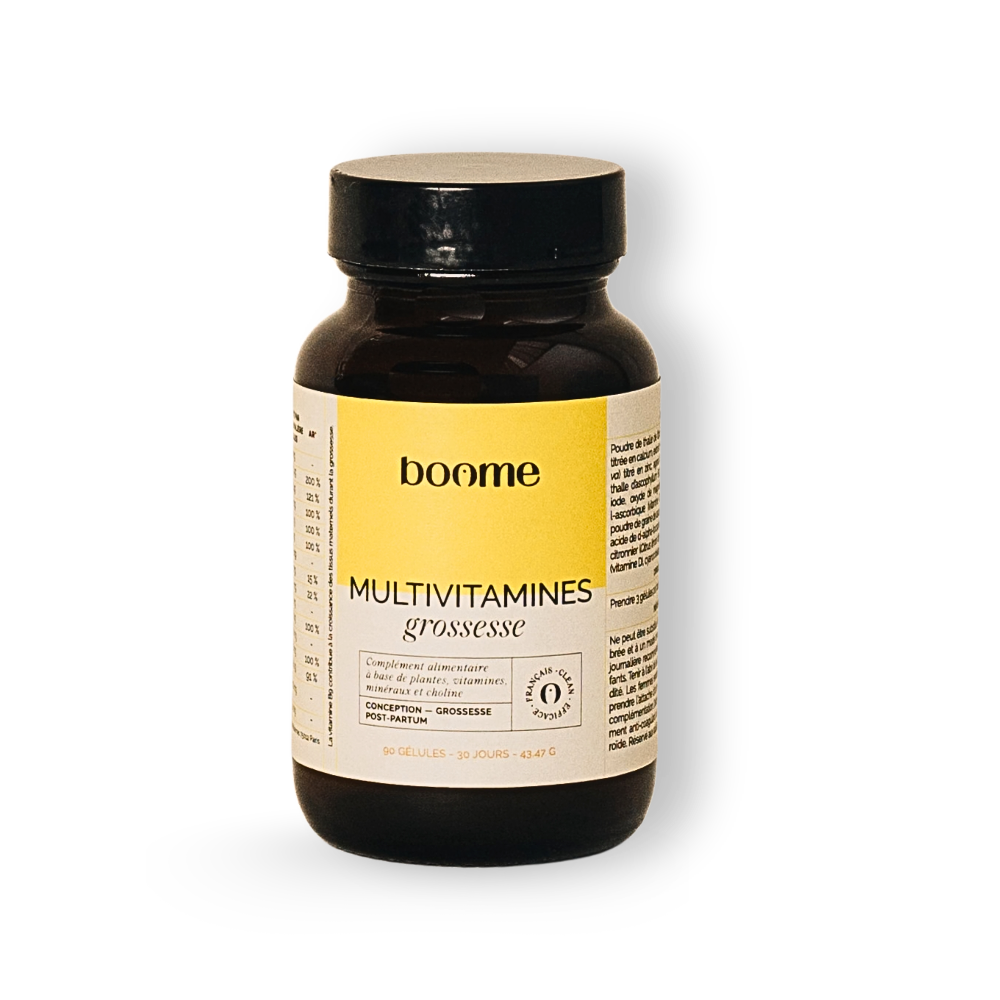
Vitamin B9, or folic acid, is one of the topics to address as soon as you start planning a pregnancy. The simplest way is to discuss it with a doctor or midwife, who can prescribe it if necessary.
Folates contribute to the growth of maternal tissues during pregnancy [8]. A varied, balanced diet and a healthy lifestyle remain important.
There is no need to randomly stack vitamins. Learn to rely on official recommendations, read labels, and ask your healthcare professional questions.
A pre-pregnancy appointment can make a big difference
We think about medical follow-up once we are pregnant. However, a preconception consultation is strongly advised as soon as you have a baby project. It is optional and can be conducted with a doctor or midwife [6]. It allows you to take stock of your vaccinations and current treatments [6]. Remember to bring your health record, your latest test results, and above all, all your questions [6].
It is also the right time to talk about a chronic illness, an unusual cycle, or any questions that worry you. Anticipating does not mean worrying: it simply allows you to start with the right information.
You don't necessarily ovulate on Day 14
"Day 14" is a textbook example, not a universal rule. Ovulation can vary depending on cycle length, and even from one month to the next. An app provides an estimate based on past data; it does not directly measure what is happening in your body.
Several methods exist to better locate the fertile period: calendar tracking, observing cervical mucus, temperature, and ovulation tests. To date, only urinary ovulation tests have shown a probable effect on the chances of pregnancy; for other methods, data are insufficient to draw conclusions [3]. They can simply help you better understand your cycle: you can learn more in our article on symptothermal methods and our cervical mucus guide. The goal is not to control everything, but to better understand your own rhythm.
Good to know
Tracking ovulation is not mandatory. According to a 2023 Cochrane review, timing intercourse using urinary ovulation tests likely increases the chances of pregnancy in women under 40 who have been trying for less than 12 months, but several studies were funded by test manufacturers, and the data are insufficient to draw conclusions regarding stress or quality of life [3]. For its part, the DGCCRF noted in 2022-2023 labeling anomalies or sensitivity defects in 4 out of 10 urinary self-tests (covering pregnancy, ovulation, and menopause): it is better to carefully follow the instructions [9].
Preparation also concerns your partner
Conception is not an exclusively female matter: infertility can be of female origin, male origin, or both simultaneously [4]. Sperm production and maturation take time (about 72 to 74 days) [1], and the partner's health also deserves special attention.
Tobacco, alcohol, cannabis, exposure to high heat, or certain products like pesticides: these factors can alter sperm quality [4][1], and excessive exposure to heat during the last three months is among the causes of impaired spermatogenesis [1]. A baby project can be an opportunity to talk about it together. Not to monitor each other, but to share the preparation rather than leaving the whole burden on one person.
A cycle without pregnancy is not necessarily a warning sign
Even when intercourse takes place during the fertile period, conception is not automatic. For a fertile 25-year-old couple, the monthly probability of achieving a natural pregnancy is 25%: it is therefore perfectly normal for it to take a few months [4].
This wait can be difficult, especially when you imagined that everything would happen very quickly. However, a negative test does not, on its own, allow you to conclude there is a fertility problem. Age, for both women and men, and personal circumstances matter more than just one month of trying [4].
Asking for help early doesn't mean you're going too fast
There is no identical timeline for everyone. As a benchmark, a consultation is recommended when a couple is unable to conceive after 12 months of regular intercourse (two to three times a week) without contraception before age 35. This period is reduced to 6 months after age 35, or if there is a medical history that could affect fertility (very irregular cycles or endometriosis, for example) [5].
And if a question worries you from the start, you don't need to wait for a specific date to ask it. To find out what happens next, read our article What is infertility and how to cope with it?.
The 90-day rule: a benchmark, not an injunction
At Boome, we like the idea of giving importance to the months before trying. Not to promise a result in 90 days, but to remind you that a baby project can start with small changes: a consultation, a better understanding of the cycle, a gentler habit in daily life.
There is no perfect preparation. There is your story, your rhythm, and the information that helps you move forward.
Frequently asked questions
Do you have to wait 90 days before you start trying?
No. The 90-day rule is a preparation framework, not a mandatory medical waiting period.
Where does the 90-day benchmark come from?
It is based on the maturation time of gametes: about 72 to 74 days for a sperm cell [1] and about 85 days for an ovarian follicle to reach ovulation [2]. It is a preparation benchmark rounded to three months, not a promise of results.
Should I take vitamin B9 before pregnancy?
This is a question to ask your doctor or midwife as soon as you have a baby project: they can prescribe it if needed [7].
Is an app enough to identify ovulation?
No. It estimates a probable date; ovulation can vary from one cycle to the next. The effect of calendar tracking on pregnancy chances is not established [3].
How long does it take on average to get pregnant?
For a fertile 25-year-old couple, the monthly probability of achieving a natural pregnancy is 25%: it is therefore perfectly normal for it to take a few months [4].
When should I consult if the pregnancy is delayed?
After 12 months of regular intercourse without contraception before age 35, after 6 months starting at 35, or in case of a medical history that could affect fertility [5]. A healthcare professional can guide you at any time.