


Becoming pregnant with an IUD: how is it possible, what are the risks, and what to do
Sommaire
In brief: The copper IUD (copper intrauterine device) has a failure rate of 0.6 to 0.8% per year, making it one of the most effective contraceptives available. However, getting pregnant with an IUD is possible. In such cases, the risk of an ectopic pregnancy is significantly higher than with a typical pregnancy, requiring urgent medical attention. Here's everything you need to know.
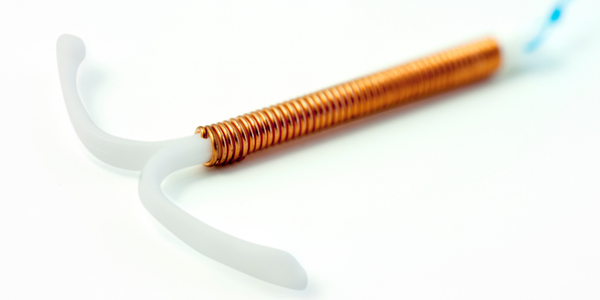
You have a copper IUD, also known as a copper intrauterine device (IUD). You've been relying on this small T-shaped device for months, or even years. Then one day: two lines on a pregnancy test. Panic? Disbelief? Questions about your body? Probably all of the above.
Getting pregnant with an IUD is rare, but it's a reality that some women experience each year. And when it happens, you need to act quickly and understand what's going on. We'll explain everything.
The copper IUD: A reminder of its effectiveness
The copper intrauterine device is one of the most reliable forms of contraception available. According to the Haute Autorité de Santé (HAS), its failure rate is 0.6 to 0.8% per year when correctly positioned, making it one of the most effective prescription-free contraceptive methods available.
How does the copper IUD work? The copper released by the device creates an environment hostile to sperm, which lose their motility. The IUD also alters the uterine lining, making implantation difficult if fertilization does occur.
There are two main types of IUDs:
- The copper IUD: Hormone-free, it works mechanically and chemically. This is the one discussed in this article.
- The hormonal IUD: It releases a low dose of progesterone and has similar effectiveness.
Despite these excellent figures, failure is still possible, and it's important to know how to recognize it.
How can you get pregnant with an IUD?
Several situations can explain a pregnancy with a copper IUD:
Misplaced or partially expelled IUD
The IUD can shift slightly from its ideal position, especially in the first few weeks after insertion. In this case, its effectiveness is reduced. This is why your gynecologist or midwife checks its positioning during the follow-up visit, usually six to eight weeks after insertion.
Silent expulsion
In rare cases, the IUD can be expelled without you noticing, especially during menstruation. Regularly checking for the presence of the strings (the small nylon threads that protrude slightly from the cervix) helps confirm that the device is still in place.
Biological variability
Even with a perfectly placed copper IUD, biological mechanisms are not immune to statistical surprises. No contraceptive guarantees 100% effectiveness; this is true for the IUD as it is for all other methods.
Pregnancy with an IUD: What are the risks?
If you get pregnant with an IUD, the first thing to urgently assess is the location of the pregnancy.
The risk of ectopic pregnancy: an important nuance
A frequently misunderstood point deserves a precise explanation. In absolute terms, the copper IUD reduces the number of ectopic pregnancies because it first reduces the number of pregnancies in general. However, if a pregnancy occurs despite the copper IUD, the probability that it is ectopic is significantly higher than with a classic pregnancy: between 15% and 50% of pregnancies with an IUD are ectopic, according to available studies.
An ectopic pregnancy occurs when the embryo implants outside the uterus, most often in a fallopian tube. It cannot develop normally and constitutes a medical emergency. Symptoms can include abdominal or pelvic pain, unusual bleeding, or pain radiating to the shoulder.
⚠️ If you get a positive pregnancy test with an IUD, go to the emergency room or see your doctor immediately, even if you have no symptoms. An ultrasound will quickly locate the pregnancy.
If the pregnancy is intrauterine
If the ultrasound confirms that the pregnancy is in the uterus, the situation is less urgent, but it still requires rapid medical management. Your doctor will generally recommend removing the copper IUD.
This removal should be done as soon as possible, but it carries a risk of miscarriage. This risk is real and should be discussed with your healthcare professional, who will inform you of the available options based on your personal situation.
What are the warning signs?
If you have an IUD and notice any of these signs, consult a doctor without delay:
- Unexplained missed period;
- Unusual nausea;
- Tender breasts;
- Pelvic or abdominal pain;
- Bleeding outside your usual period;
- Absence of your copper IUD strings during a self-check.
A standard pregnancy test (urine) is completely reliable even with an IUD. There is no interference between the device and the test.
What to do if the test is positive?
- Go to the emergency room or contact your gynecologist immediately — even without symptoms, to rule out an ectopic pregnancy.
- Get an ultrasound to locate the pregnancy.
- Discuss IUD removal with your doctor if the pregnancy is intrauterine.
- Take time to decide with your healthcare professional, who will support you whatever you decide to do regarding the pregnancy.
A pregnancy with an IUD does not predetermine its outcome. Pregnancies carried to term after such a situation do occur. But each situation is unique, and medical follow-up is essential.
And after? Contraception after a pregnancy with an IUD
If this experience leads you to reconsider your contraception, know that a wide range of options exist, with or without hormones. Our article on postpartum contraception discusses some of these alternatives if you are considering contraception after a pregnancy.
One thing is certain: contraception should be chosen carefully, with knowledge of the advantages and limitations of each method, and ideally, in consultation with your healthcare professional. If you have questions about the daily effects of the copper IUD, particularly on libido, we have also reviewed what science truly says.
Your Frequently Asked Questions
Can you get pregnant with a copper IUD?
Yes, but it's very rare. The copper IUD has a failure rate of 0.6 to 0.8% per year according to the HAS, one of the lowest among all available contraceptives. This rate can increase if the device is misplaced or partially expelled.
Is a pregnancy with an IUD always ectopic?
No. But if a pregnancy occurs despite the IUD, the probability that it is ectopic is significantly higher than with a typical pregnancy (15% to 50% according to studies). This is why any positive test with an IUD should lead to an urgent medical consultation to locate the pregnancy by ultrasound.
Can you keep the pregnancy if you are pregnant with an IUD?
Yes, if the pregnancy is intrauterine (correctly positioned in the uterus), it is possible to continue it. The doctor will generally suggest removing the IUD, which carries a risk of miscarriage. If the pregnancy continues after removal, it can develop normally. Each situation is unique, and the decision is always made in conjunction with your healthcare professional.
Can the IUD cause a miscarriage?
The IUD itself does not cause a miscarriage, but its removal in the case of an intrauterine pregnancy can trigger one. This risk is real and should be discussed with your doctor, who will assess the best option for your situation.
How do I know if my IUD is still in place?
Your copper IUD has small nylon strings that protrude slightly from the cervix. By inserting a finger into the vagina, you can check for their presence. If you don't feel them, consult your gynecologist or midwife to check the device's positioning.
Should I go to the emergency room if I am pregnant with an IUD?
Yes, without delay, even in the absence of pain or bleeding. The priority is to rule out an ectopic pregnancy by ultrasound, which is a medical emergency if not detected quickly.
How soon after IUD removal can you get pregnant?
Fertility usually returns very quickly after the removal of a copper IUD, often in the next cycle. Unlike hormonal contraceptives, the copper IUD has no long-term effect on fertility. If you do not wish to become pregnant immediately after removal, plan another contraceptive method.
This article is for informational purposes only and does not constitute medical advice. If you have any doubts about your pregnancy or contraception, consult your doctor, midwife, or go to the emergency room.

Sources
Related Products


Produits associés
Read more
Yes, it is possible to ovulate twice in the same menstrual cycle, a phenomenon known as double ovulation or hyperovulation. This rare but real occurrence can lead to a dizygotic twin pregnancy ("fr...

In brief: Getting pregnant with a copper IUD is statistically rare, but it does happen. Luana Di Carlo experienced it firsthand: emergency room visits, IUD removal, risk of miscarriage, and ultim...

