



How to calculate your menstrual cycle?
Sommaire
Are you the type of person who knows your menstrual cycle by heart? Or are you more inclined to worry about the date of your last period as much as you do about the year 40? If so, rest assured: you're not alone. Calculating your menstrual cycle can be a real guessing game for some, and an exact science for others. Simply because there are a multitude of different realities. So if you're a bit lost and want to find your way without overthinking it... Look no further! This article is here to help you. So, how do you calculate your menstrual cycle? We'll explain the basics of the female cycle and give you our best tips for easily anticipating it.
Understanding the Menstrual Cycle: The Basics
What is the menstrual cycle?
The menstrual cycle is a natural process that occurs in a woman's body every month. It's quite useful, as it prepares the body for a possible pregnancy! It begins on the first day of menstruation and ends just before the next period. How does it work? Well, it involves hormonal changes that affect the uterus and ovaries, and consequently, lead to ovulation.
A "normal" cycle: Myth or reality?
We often talk about a "normal" menstrual cycle. However, this varies considerably from one woman to another. A young girl may potentially have irregular periods, while an adult woman may be more used to a regular cycle. And even then!... In truth, "normality" here depends on several factors:
- general health status;
- medical conditions;
- stress.
And in this case, understanding that normality also encompasses these factors can help reduce a form of anxiety around the subject.
Average duration of a menstrual cycle: Key figures
Studies show that the average duration of a menstrual cycle is about 28 days. However, we repeat (it's never too much): this can vary greatly from woman to woman! And therefore last between 21 and 35 days. Ovulation generally occurs in the middle of the cycle, approximately on the 14th day. But keep in mind that these figures are primarily averages, and that each woman can experience her own rhythm, with perfectly normal variations in terms of duration and regularity.
The phases of the cycle and their importance
The menstrual cycle consists of several phases. And each plays an essential role in preparing the female body for a potential pregnancy.
The follicular phase
The first is the follicular phase. This begins on the first day of menstruation and ends at ovulation. During this period, hormones stimulate the growth of several follicles in the ovaries, each containing an egg. One of these follicles will then become "dominant," and thus... ready for ovulation! This phase remains crucial for preparing the body for pregnancy, as it influences the thickness of the endometrium, so that it can receive a fertilized egg.
Ovulation
The ovulation period (or fertile window) is somewhat the climax of the menstrual cycle. The dominant follicle releases the egg, which begins its journey to the uterus via the fallopian tube. The body triggers this event with a surge of luteinizing hormone (LH). With a little luck, the egg will encounter a sperm on its way for fertilization. This phase corresponds to the fertile window of the cycle. It indicates the time when you are most likely to become pregnant.
The luteal phase
Finally, after ovulation comes the luteal phase. This last stage of the cycle marks the moment when the empty follicle transforms into the corpus luteum, then secretes hormones to maintain the thickness of the endometrium. And if the egg is not fertilized, then the corpus luteum disintegrates: hormone levels drop... and voilà, the start of the next period! This phase, often marked by the famous premenstrual syndrome, serves to:
- stabilize the cycle;
- prepare the body to start a new one;
- or support a new pregnancy.
Understanding these three phases will help you better understand your cycle and the important role it plays in female reproduction.
Cycle tracking: Methods and tools
Tracking your menstrual cycle remains essential for understanding and managing your reproductive health. It will allow you to get to know yourself better, predict your fertile periods, and identify any irregularities.
The menstrual calendar: Why and how to keep it?
Many women use a menstrual calendar to help them track:
- the beginning and end of their cycles;
- the duration of their menstruation;
- their premenstrual syndrome.
Practical, therefore, for anticipating your fertile period. It's simple: you note the 1st day of your last period as the start of the cycle, and continue until the start of the next period!
Calculating and predicting your cycle
How do you calculate when your next period will arrive? Well, simply by noting the duration between each menstruation to identify your personal "average." We highly recommend it if you are trying to conceive or avoid pregnancy: you will more easily predict the arrival of your period and your ovulation cycle. The more familiar you become with your own cycle, the more you will be able to detect any unusual changes!
Modern tools for tracking your cycle
Today, numerous digital tools exist to help you track your cycle. You'll find many mobile menstrual calendar apps that offer interesting features such as:
- predicting fertile periods;
- calculating periods;
- a pregnancy calendar, if needed.
You just have to enter your data over time to personalize your tracking. Practical!
In any case, whether you're team pen and paper or team App Store: calculating your menstrual cycles is still very useful for getting to know yourself and managing your life as a woman in the best possible way.
Want to boost your chances of conceiving quickly? Discover our fertility vitamins for women!
Understanding the body's signals
Certainly, the hormonal changes of the female cycle influence your fertility. But that's not all! They also play a major role in your overall well-being, as well as your emotional and physical state. Understanding your body's signals then becomes essential to managing these variations.
Revealing signs of ovulation
We often observe the same signs of ovulation:
- a slight rise in your basal body temperature;
- a more fluid and transparent consistency of cervical mucus;
- (sometimes) slight uterine contractions.
These indicators, which are the basis of the method called symptothermal, can help you identify your fertile window. Learning to recognize them will help you greatly if you want to conceive a baby, or avoid getting pregnant. However, symptothermal requires an adaptation period before it can be fully used: it often takes 3 to 6 cycles to effectively identify the different phases of the cycle. This method requires a good knowledge of one's body and a certain rigor in analyzing temperature and cervical mucus.
Symptoms associated with periods
Each woman experiences different premenstrual symptoms before the arrival of her period. But the most common are:
- cramps;
- bloating;
- mood changes;
- cravings for specific foods.
These signals reflect the hormonal changes that prepare the body for menstruation. Their intensity differs greatly from woman to woman: they can be mild for some, and very debilitating for others.
Impact of the cycle on physical and emotional feelings
The different phases of the menstrual cycle also influence your emotional and physical well-being. It is noted that hormonal variations can:
- cause mood swings;
- affect energy and libido;
- alter self-perception.
For example, the phase just before the next period can induce irritability and fatigue. Does the intensity of the premenstrual period resonate with you? Us too! The post-menstrual period, on the other hand, can be characterized by an energy boost and a strong dose of optimism. Thus, recognizing these variations can help you manage them more effectively. And consequently, allow you to establish a better emotional and physical balance in your life.
Frequently asked questions about the menstrual cycle
As you will have understood: menstrual cycles are full of mystery, and therefore... can raise many questions! Here are some answers that will undoubtedly help you silence some erroneous beliefs.
Managing an irregular cycle
We agree: calculating when your next period will arrive when you have irregular cycles can be a real hassle. But there are plenty of solutions to relieve you. You can start by consulting a health professional to rule out any underlying conditions. Sometimes, improving the quality of your cycle involves lifestyle changes such as:
- adjusting your diet;
- getting regular exercise;
- reducing stress;
- taking a course of fertility supplements.
So go talk to your gynecologist or midwife. They will be excellent advisors.
Ovulating twice in a month: Is it possible?
Ovulating more than once in a menstrual cycle is extremely rare. Nevertheless, it is possible to release more than one egg within 24 hours during the same ovulation period. This can lead, in some cases, to multiple pregnancies.
Pregnancy and cycle: The changes
Not surprisingly, pregnancy periods bring about significant changes in the cycle. Starting with the cessation of periods for nine months, due to hormonal changes related to gestation and fetal development. After childbirth, you may notice variations in the duration and intensity of your first periods. This is normal; it takes time for the body to return to its usual rhythm.
So, what can we take away from all this? Well, that understanding your menstrual cycle remains an essential key to taking care of your reproductive health. Each phase brings with it its share of signals (and challenges). But with the right information and the best tools, you will have all the cards in hand to better manage your cycle, or know your ovulation period like the back of your hand. And consequently, improve your quality of life!
Related Products


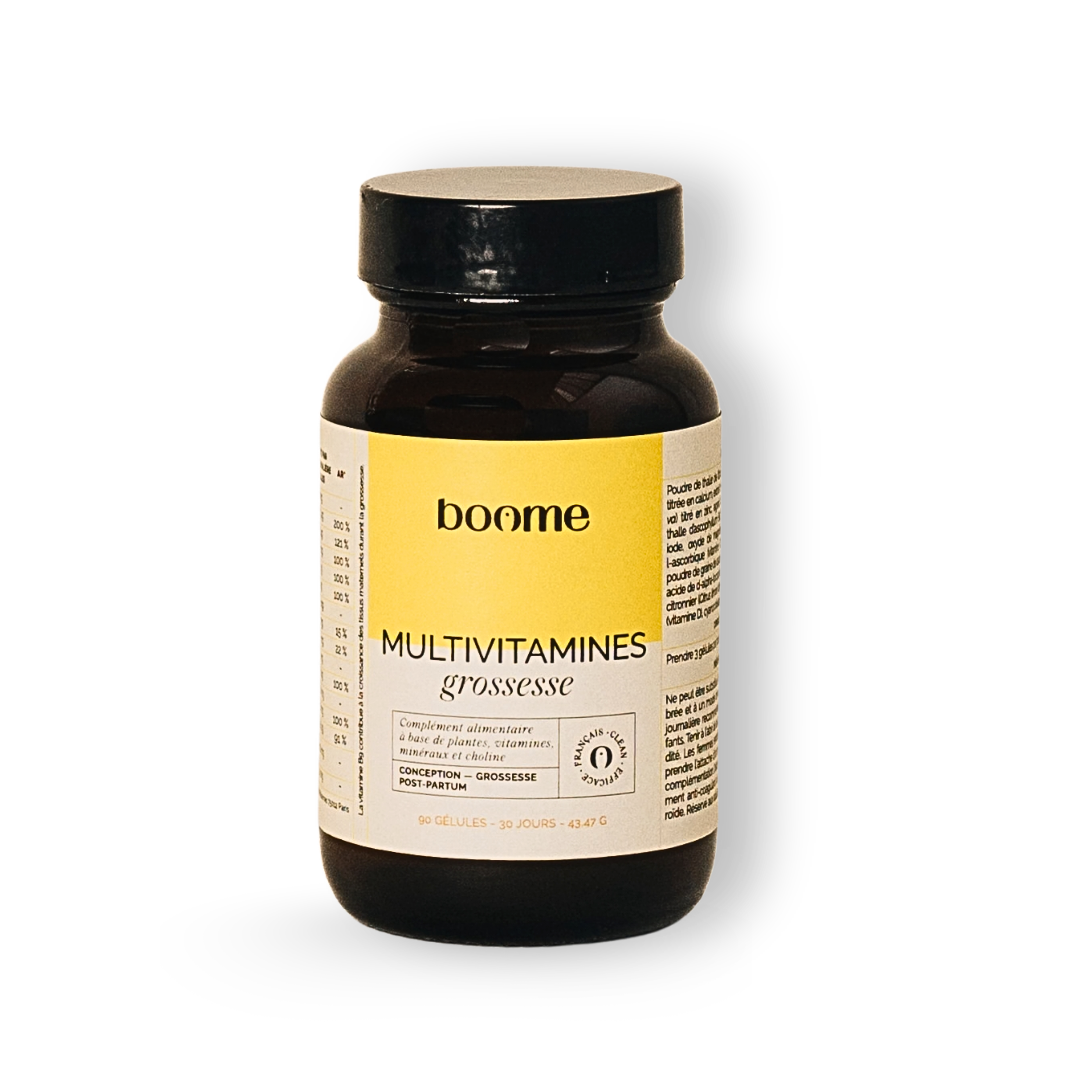
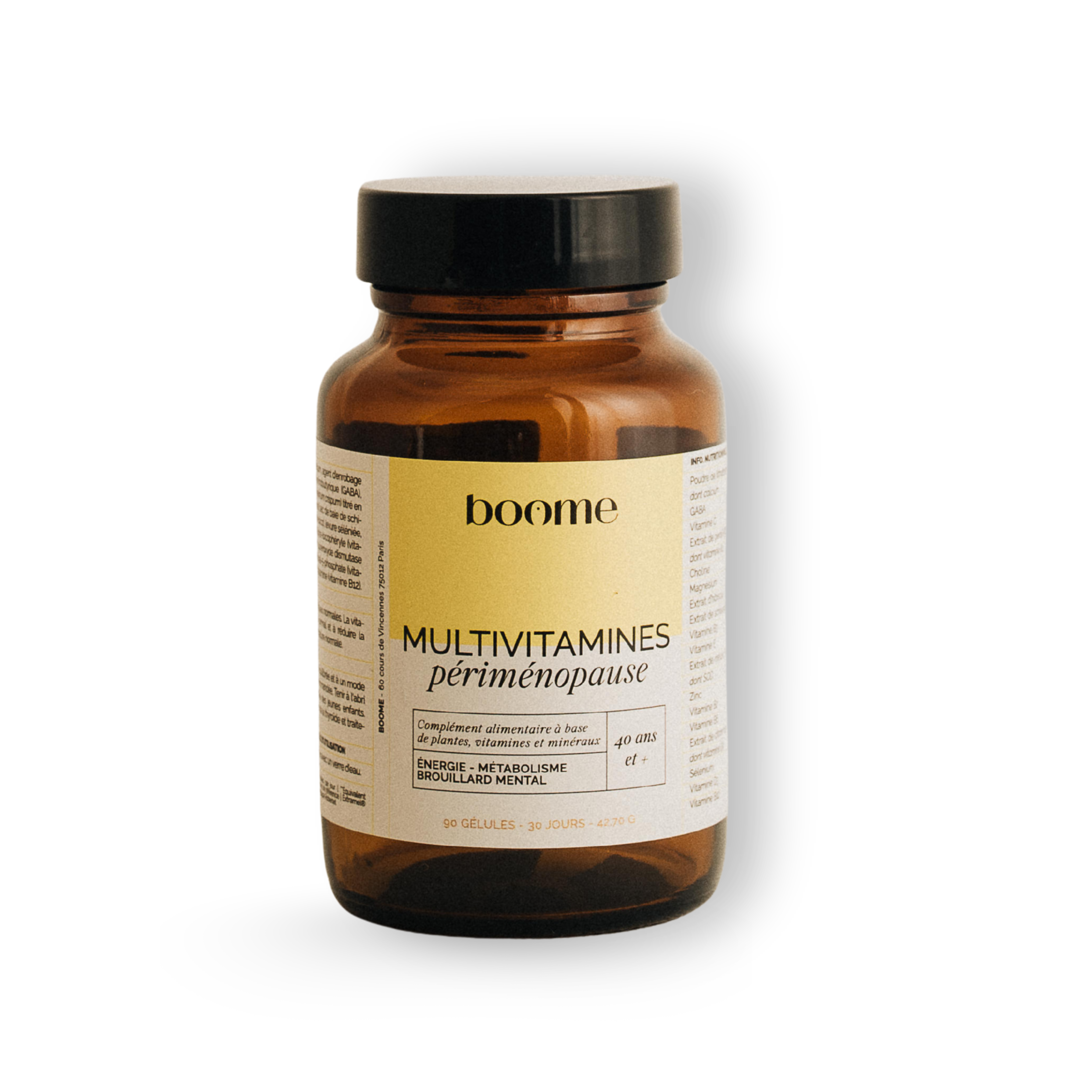
Produits associés
Read more

Becoming a mother after 35 is the norm for many women and a reflection of an evolving society. We all know someone who had their baby close to their forties: a friend, a sister, our own mother, o...

Iron deficiency is the most common nutritional deficiency among pregnant women. During pregnancy, iron requirements increase significantly, up to 16 mg per day according to ANSES, to support fetal ...

