


Pregnancy Constipation: Why Does It Happen and How to Get Rid of It?
Sommaire

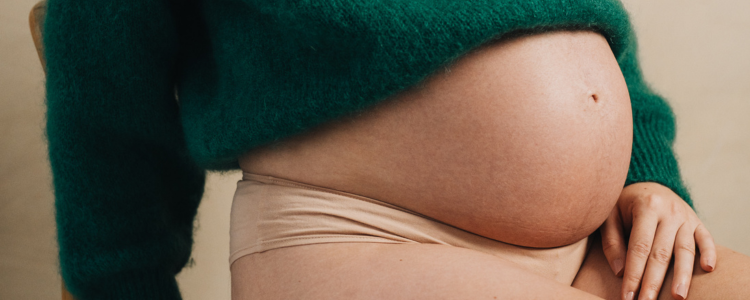
Fatigue, nausea... and now constipation joins the party during pregnancy! This condition, as common as it is annoying, can quickly become a daily headache. Why is your digestive system suddenly rebelling? And more importantly, how can you find some relief without endangering your health or your baby's? In this article, we explain everything: the link between constipation and pregnancy and practical solutions to prevent and relieve this discomfort. Because pregnancy brings enough emotions without adding this kind of worry, right?
Why does constipation occur during pregnancy?
It's difficult for pregnant women to escape constipation during their pregnancy! Because this discomfort affects MANY expectant mothers. Rest assured: this phenomenon is explained by several factors.
First of all, hormonal variations play a significant role. Especially those of progesterone. Essential for pregnancy, it increases from the first months of the journey. However, it also has a relaxing effect on muscle fibers, especially those of the uterus and intestines. The consequence? You guessed it: intestinal transit slows down.
At the same time, the uterus, which continues to grow as the pregnancy progresses, exerts increasing pressure on the intestines. This further complicates the passage of stools.
It should also be noted that some pregnant women change their eating habits, which can increase the risk of constipation.
The last factor... Dehydration. Because, during 9 months, water needs greatly increase to support pregnancy. However, insufficient hydration can lead to hard stools that are more difficult to pass.
In short, all these mechanisms, although natural, make constipation almost inevitable for many expectant mothers!
Is constipation dangerous during pregnancy?
It's true that constipation can be bothersome for pregnant women. However, it is generally benign during pregnancy. At most, it can cause:
- abdominal discomfort;
- feelings of bloating;
- abdominal pain.
In some cases, however, if constipation persists, it can lead to some indirect complications. For example, repeated straining during bowel movements can cause hemorrhoids. These venous swellings in the rectum are common in pregnant women and can be painful.
Much more rarely, extreme constipation can lead to intestinal obstruction. But, rest assured: this situation remains very exceptional... So, don't worry too much!

When does pregnancy constipation begin?
Constipation can occur at different times during pregnancy. But it is often reported as early as the first month of pregnancy. This is mainly due to the rapid increase in progesterone, which, as you may have gathered, slows down transit and causes digestive problems.
In the second trimester of pregnancy, expectant mothers may notice that constipation intensifies. This is particularly due to the intake of iron-rich food supplements, which can sometimes slow down bowel movements.
In the third trimester, bad news: constipation can persist, or even become more stubborn. The uterus is then much larger: it compresses neighboring organs more, making bowel movements even more difficult.
However, every woman is unique! Thus, some of you may experience no constipation from the beginning to the end of your pregnancy. While others feel its effects from the first months of pregnancy.
Prevention: what are the solutions to avoid pregnancy constipation?
Good news: you can prevent constipation during pregnancy. And we promise, it's not that complicated. Here are our favorite solutions to achieve this.
1. Prioritize a fiber-rich diet
Dietary fibers will be your best friends for pampering your intestinal transit. You'll find them in fiber-rich foods, such as:
- fresh fruits (prunes, kiwis);
- green vegetables (broccoli, spinach);
- whole grains (whole wheat bread, oats);
- legumes (lentils, chickpeas).
To encourage a long-term effect, try to consume them a little every day. You'll thank us later!
2. Ensure sufficient hydration
To prevent stools from becoming too hard, try to increase your water intake. For example, you can aim for 1.5 to 2 liters of water per day. This also works with herbal teas (safe for pregnancy) or soups. So, take advantage of it!
3. Engage in regular physical activity
Moving helps stimulate intestinal muscles. Opt for adapted activities such as:
- gentle exercise;
- walking;
- prenatal yoga.
The goal is to stay active every day. Even short sessions of 20 to 30 minutes will have very beneficial effects!
4. Adopt an intestinal routine
Preventing constipation also means listening to your body. And not ignoring the urge to go to the toilet. So, take your time and choose a calm moment to create a small intestinal routine. Try to have a bowel movement every day, at roughly the same time. After a meal, for example. Or your morning coffee!
Cure: how to relieve constipation during pregnancy?
If, despite everything, you are part of the "constipated mom" team, we have more good news for you: it's not a lost cause! As a bonus, here are some simple measures for gentle relief.
1. Rely on natural remedies
Certain foods that are beneficial for your digestive system can prove to be excellent stimulating laxatives! For example, prunes (dried fruit or juice) are particularly effective. Or flax seeds or chia seeds: soaked in water, they can facilitate stool lubrication due to their fiber content.
2. Favor hot drinks
Hot drinks can also be life-saving in cases of constipation. So, remember to drink a hot herbal tea or a glass of warm water with lemon upon waking! This will naturally stimulate your digestive system and kickstart digestion after your night's rest.
3. Adopt good positions
When you go to the toilet, consider slightly raising your feet with a small stool. This will limit the squatting position, which promotes better rectal opening and easier evacuation.
4. Consume probiotics
Probiotics during pregnancy are a natural solution to improve intestinal transit. These living microorganisms strengthen the intestinal flora, often put to the test by hormonal changes. They are found in:
- fermented foods;
- dairy products;
- probiotics for intestinal flora.
In addition to relieving constipation, they support better digestion and contribute to the overall well-being of the expectant mother. In short, it's all beneficial!
When to consult a doctor?
If natural remedies are not enough, lubricating laxatives may be considered, but only under medical supervision. In other words: no self-medication during pregnancy! A doctor can prescribe osmotic laxatives or fiber supplements suitable for pregnancy. These products help soften and increase stool volume without disturbing the body's balance.
However, certain signs should prompt you to consult a doctor or your midwife. For example, if it is accompanied by:
- intense abdominal pain;
- nausea;
- or vomiting.
Similarly, if you notice blood in your stools or discomfort that persists despite implementing relief solutions... Then pay attention. These symptoms may indicate another issue that requires treatment.
In summary, pregnancy constipation, although uncomfortable, is a common and generally harmless condition. Preventing or relieving it is not too complicated! Adopt a healthy lifestyle and listen to your body's needs. However, if symptoms persist or worsen, do not hesitate to consult a healthcare professional. They will help you maintain your comfort and well-being throughout your pregnancy.
Produits associés


Produits associés
Read more

The third trimester is THE final sprint before the biggest adventure of your life: becoming a parent. Your baby is growing at breakneck speed, your body is adapting to impressive changes, and t...
You're expecting a baby and everything seems to be going wonderfully... until your blood pressure soars and your doctor utters a worrying word: pre-eclampsia. Every year, this complication affects...

