





Geriatric or late pregnancy: age, risks and follow-up
Sommaire

Becoming a mother after 35 is the norm for many women and a reflection of an evolving society. We all know someone who had their baby close to their forties: a friend, a sister, our own mother, or ourselves. These are simply the modern contours of motherhood. However, the term "geriatric pregnancy" is still used to describe this situation. But what exactly does that mean? And why is this term causing so much discussion today? In this article, we demystify this somewhat strange concept and shed light on the realities and perspectives of these "late pregnancies."
What is a geriatric or late pregnancy?
From what age is a pregnancy considered late?
According to Cairn, late pregnancies are considered as such when pregnant women are over the age of 35 (or rather 40, in current discourse). Surprising, isn't it? Yet, this situation is extremely common today. Medicine progresses, society changes, and women are increasingly choosing to "postpone" the conception of their first children. They are often motivated by:
- professional reasons;
- the desire to thrive in their careers;
- the wish not to rush.
Sometimes, it is also a result of assisted reproductive technology (ART).
Why is the term "geriatric pregnancy" debated today?
The term "geriatric pregnancy" is increasingly considered obsolete. As you understand, a pregnant woman over 35 today is extremely common. However, this outdated vocabulary is still used; and it evokes a rather negative connotation. Geriatrics is the medicine of old age and its diseases. And not the reality of this expectant mother, sometimes called a geriatric mother, who chooses to become one at a more mature age or who experiences life's uncertainties (difficulties conceiving, personal difficulties, etc.). This term is therefore debated because it highlights two important points:
- We must recognize the individual choices available to expectant mothers in our society.
- We must advocate for language that adapts to its time and to medical advancements.
At Boome, we therefore prefer to speak of late pregnancy rather than geriatric pregnancy.

What are the risks associated with a late pregnancy?
Although pregnancy, even at an "advanced" age (yes, we use quotation marks!), is a joyful experience for many women, it can also involve certain risks.
Risk of miscarriage
The risk of miscarriage increases with age, as female fertility declines. According to research, including that conducted by CHU Sainte-Justine, there is a 15 to 20% additional risk for expectant mothers over 35, and 40% for those over 43.
This is unfortunately still too taboo a subject. If you want to know more about the signs and risk factors of a missed miscarriage, we detail them in our article How to know if you had a miscarriage?
Sometimes higher rate of abnormalities
This increased risk of miscarriage often doesn't come alone: it is also accompanied by an increase in chromosomal abnormalities. It goes from 1 in 475 at age 25, to 1 in 30 at age 43.
A 3 to 4 times higher rate of congenital heart malformations is also observed in women aged 40 and over.
Complications during pregnancy
Certain pregnancy problems can also occur in expectant mothers such as:
- gestational diabetes;
- high blood pressure (or other risk of hypertension);
- pre-eclampsia.
This can complicate the baby's arrival and lead to:
- premature birth;
- a C-section;
- low birth weight.
But rest assured: thanks to medical advancements and meticulous prenatal monitoring, these risks are better understood and therefore much better managed today.
How to facilitate a late pregnancy?
Yes, a spontaneous pregnancy after 35 is entirely possible (and thankfully so!). Is this your wish? Here are some tips to boost your chances.
How to boost your fertility to get pregnant after 35
Boosting your fertility after 35 starts with adopting a healthy lifestyle. You can therefore:
- Include antioxidant-rich foods in your diet, such as fruits and vegetables: they can improve egg quality.
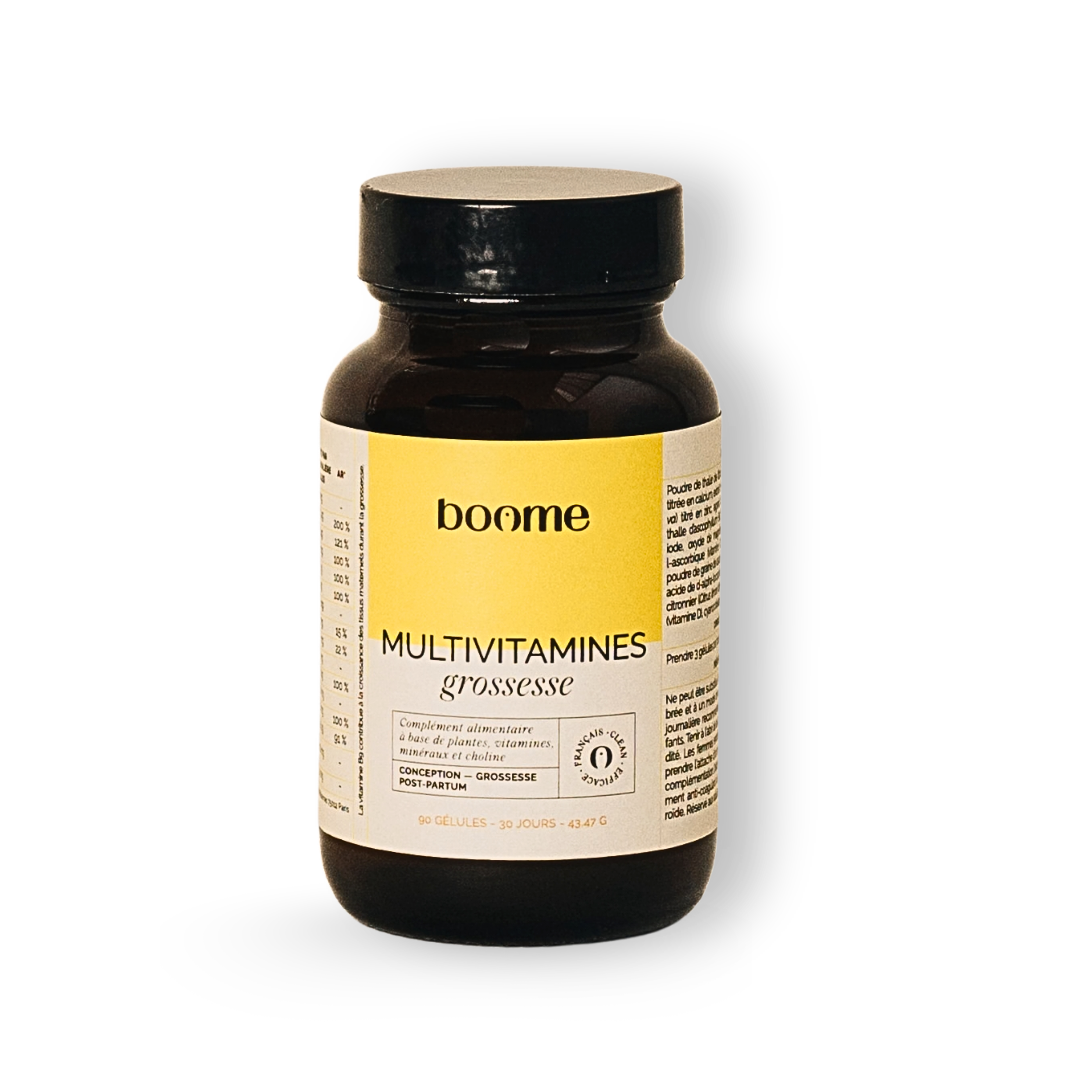
- Get fertility supplements, or folic acid from a pharmacy. Most women don't know what vitamin B9 is for; yet, it is essential for the baby's proper development during the first months of pregnancy. You can also take our pregnancy vitamins which replace the famous B9 and cover all recommended intakes.
- Engage in physical activity! Because yes, unfortunately, weight has an impact on fertility. Be careful, however, to avoid overly intense workouts, which could have the opposite effect.
- Try to reduce your stress, as it can affect ovulation and make conception more difficult. We therefore advise you to practice activities that relax you, such as yoga or meditation.
Of course, if your baby is taking a long time to arrive and your desire for pregnancy is weighing too heavily on you, don't hesitate to discuss it with medical professionals. You may be guided towards appropriate fertility treatments (such as in vitro fertilization or hormonal treatments to stimulate ovulation).
You may also be interested in this article: Until what age is a man fertile?
Medically recommended monitoring for a late pregnancy
Late pregnancies require careful medical monitoring to ensure the health of the pregnant woman and the baby. This involves regular consultations with a gynecologist or a specialized midwife. They will closely monitor the development of the pregnancy and quickly identify any potential signs of complications.
Prenatal screening also remains important to monitor fetal health and detect potential chromosomal or congenital abnormalities. This simply involves a few ultrasounds and blood tests, so don't miss out! It will allow you to experience a more serene pregnancy.
It should be noted that some pregnant women are encouraged to undergo more advanced screening tests, such as amniocentesis. However, the decision to proceed rests entirely on each woman's personal circumstances and individual choice.
Admittedly, geriatric or late pregnancies involve a few additional risks compared to a classic scenario. Nevertheless, if your biological clock rings later in life, remember: you are not alone in this adventure. So listen to yourself, be the pregnant woman you want to be, whatever your age. And we promise, everything will be fine!
Produits associés


Produits associés
Read more

Postpartum is a difficult time for a woman's body in many ways, due to the many hormonal changes it is linked to. And hair loss is one of the most significant signs. In the weeks following your de...

Le cycle menstruel est un processus hormonal naturel qui prépare l'organisme féminin à une éventuelle grossesse. Sa durée moyenne est de 28 jours, mais varie normalement entre 21 et 35 jours selon ...

