




Libido and Copper IUD: Does it Reduce It? What You Need to Know
Sommaire
You have chosen the copper IUD for contraception, or you are considering doing so. But one question is bothering you: could it affect your libido? Between the promise of a hormone-free contraceptive and concerns about its side effects, this choice can raise many doubts. And rightly so, because the answer is not that simple. While some women notice changes in their desire, others (re)discover peace of mind. So, is there a link between libido and the copper IUD? In this article, we will explore together the real impact of this contraceptive method on your sex life.
The copper IUD: how does it work?
The copper IUD (or intrauterine device) is a long-term, hormone-free contraceptive method that is very popular among women. But how exactly does it work? This small T-shaped object with a copper wire is inserted into the uterus by a midwife (or another healthcare professional, contrary to some misconceptions about the IUD). And it owes its effectiveness to the presence of copper.
Yes, because unlike its hormonal counterpart, the copper IUD does not work by altering your menstrual cycle. Nor does it influence the production of sex hormones (estrogen or progesterone). Its action relies solely on the continuous release of small amounts of copper into the uterus.
Copper, for its part, is a natural spermicide: it creates a toxic environment for sperm and thus prevents them from swimming properly toward the egg. In other words, it stops implantation by altering the uterine lining, which greatly reduces the chances of an unwanted pregnancy!
For comparison, the hormonal IUD works very differently. It releases a hormone (levonorgestrel) that acts in several ways:
- It thickens cervical mucus, making it harder for sperm to pass through.
- It reduces the thickness of the uterine lining and lightens periods, or even makes them (sometimes) disappear completely.
- It can (also sometimes) stop ovulation in some women.
Women who want to maintain their natural cycle will therefore more often opt for a copper IUD than for hormonal contraceptives.
Does the IUD lower libido?
This is a question we frequently hear circulating! So, we have decided to give you a concrete answer. Whether copper or hormonal, let's see how the IUD can impact libido.
Libido and the copper IUD
You have probably understood: the copper IUD does not directly influence hormones. This makes it an important criterion for those who want to avoid certain side effects! However, some women have reported a drop in libido after having this contraceptive method inserted. Because while copper has no negative hormonal impact, certain indirect elements can still affect sexual desire. For example:
- Heavy, or even painful periods – frequent side effects with this contraceptive method. This can impact your overall well-being, and consequently… your libido.
- A complicated period means fatigue. Which makes you less inclined to have sexual intercourse.
- Some women report discomfort or pain during sexual intercourse, which, of course, influences their libido.
However, let's note that female libido is not necessarily impacted by her contraceptive method. Some IUD users do not feel any of this at all! Others even gain so much peace of mind that they notice an improvement in their libido instead. To each their own experience, their own journey, and their own feelings.
Libido and the hormonal IUD
The hormonal IUD, on the other hand, can have a more direct impact on libido, since it works by releasing hormones into the body. And, as we explained: these can influence the natural production of estrogen and progesterone, which play an important role in sexual desire.
Some women thus report a decrease in their libido after having this hormonal contraception inserted. And this is due to the side effects it causes, such as:
- mood swings;
- vaginal dryness;
- a decrease in natural lubrication.
These effects can also affect the comfort of sexual intercourse and, consequently, desire.
However, it's the same story as with the copper IUD: other women feel none of this. And appreciate this hormonal contraception for its other benefits, such as… lighter, or even absent periods! Which can on the contrary favor their overall well-being and thus their libido. Once again, it all depends on your body and your sensitivity to hormones.
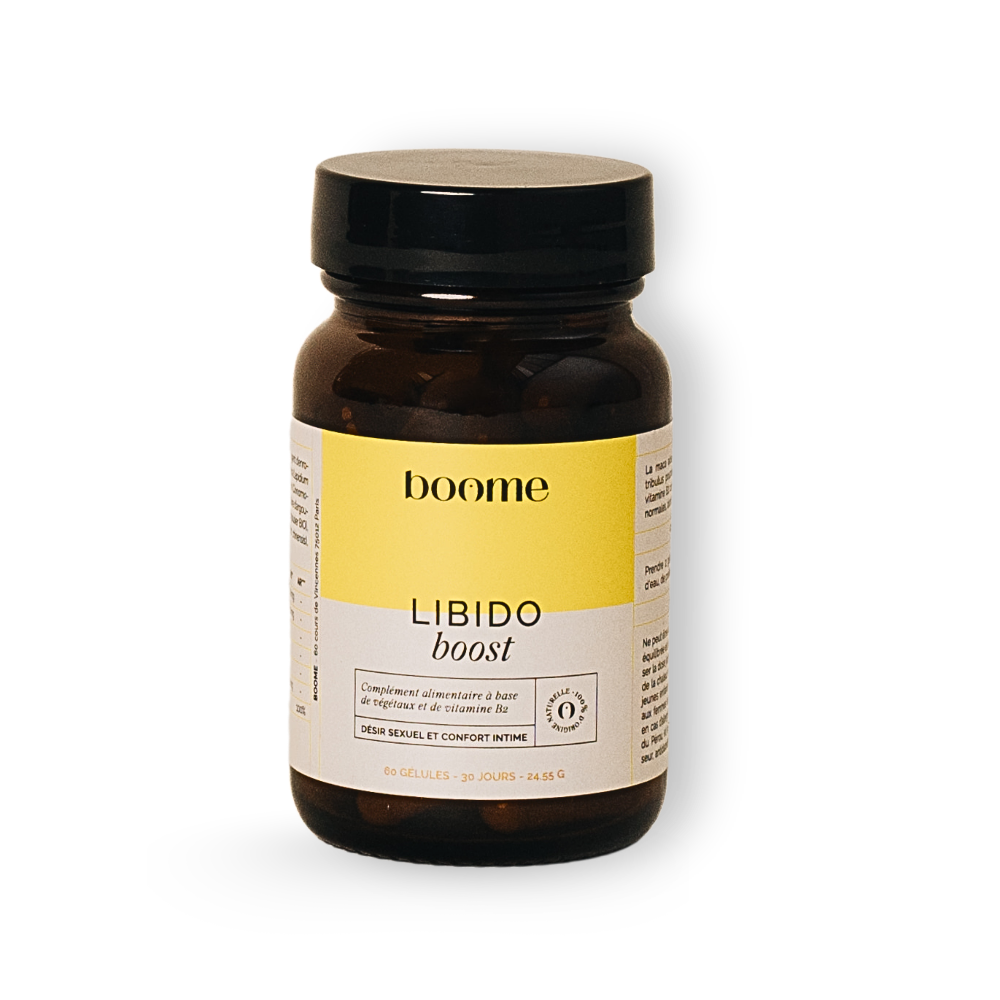
Are you looking to boost your libido naturally? Watch out, you might fall for our libido dietary supplement!
Beyond libido, what are the benefits of the copper IUD?
Beyond the question of libido, the copper IUD has many benefits! Which makes it a preferred choice for many women. Here are a few:
- Compared to the hormonal IUD, the copper IUD does not cause any negative hormone-related impact, such as breast pain or weight gain.
- It is a form of long-term contraception. Once in place, it can remain effective for 5 to 10 years depending on the model. Without you having to think about it every day – convenient, right? This benefit distinguishes it from the contraceptive pill, which requires daily and regular intake to limit any risk of pregnancy.
- This contraceptive method is one of the most reliable, with an effectiveness rate of over 99%. So rest assured: you are super well protected!
- Once removed, fertility returns immediately, making it an excellent choice for women who are starting a baby project.
- Compared to other hormonal contraceptives, the copper IUD also offers greater flexibility. No need to remember to take it every day at the same time, as with the progestogen pill! A relief for those who lead a busy life. Or who easily forget their medication, for example.
- Finally, it is precisely without interaction with other medications, unlike some contraceptive pills, whose effectiveness can be reduced by certain treatments.
You have opted for the pill and you are wondering if it has an impact on your sexual desire? Our article Pill and libido should give you answers!
What are the disadvantages of the copper IUD?
Yes, where there are benefits… there are also disadvantages! And even though the copper IUD is very effective, it has a few, which are important to know before making a decision:
- The first (and probably most common) concerns periods: they can be longer, heavier, more painful. Many women report a heavier menstrual flow after having the copper IUD inserted, often accompanied by more intense cramps.
- We can also include irregular bleeding in this phenomenon, especially during the first few months after insertion. So, of course, these effects tend to decrease over time. Nevertheless, they can be a constraining factor. Especially for those who had relatively light cycles before using the IUD.
- Another disadvantage to consider: the insertion of the IUD can be painful for some women, especially if they have never had a child. The body reacts to this new foreign object through a few contractions.
- Although the risk of displacement is low, it exists. That is why it is important to consult your doctor regularly to ensure that the IUD is properly in place. Because a displaced IUD can cause pain, discomfort, or even lose its contraceptive effectiveness.
- Finally, more surprising, but no less important: the copper IUD can have an impact on the vaginal microbiota. A recent study by the Oxford Academy showed that the use of the copper IUD can increase the risk of bacterial vaginosis. Because the copper contained and released by the IUD can reduce the population of lactobacillus (a form of beneficial bacteria) and promote the growth of bacteria associated with infections. This imbalance can cause inflammation and lead to vaginal infections in some women. Even though, rest assured, it is far from systematic (and fortunately!). These effects are generally reversible after the removal of the IUD.
In short, although the copper IUD is a natural and long-lasting contraceptive solution… Keep all these aspects in mind to determine if it is right for your personal situation.
So, what can we conclude from all this? Well, that the copper IUD is an effective, hormone-free contraceptive method. That it is ideal for those who want to maintain their natural cycle. But that, although it has no direct effect on libido, indirect factors can still influence it. Take them well into account so you can choose THE contraceptive method that will suit you best!
Related Products
Produits associés
Read more

Meeting your specific nutritional needs while breastfeeding helps prevent deficiencies and supports your well-being. Maintaining your milk supply over time requires eating properly every day to kee...
Bleeding during pregnancy? Don't panic... But don't let it go either! Yes, you should know: this phenomenon is still common. Bleeding can be confusing because it looks like a period—but isn't. So,...