




Omega 3 and fertility: how to boost your fertility naturally
Sommaire

Looking to take care of your reproductive health naturally? Omega-3s are among the most studied nutrients for their role in the general well-being of the body. These precious fatty acids are the discreet heroes of fertility. In this article, we explain what omega-3s are and how they benefit your health. We will also tell you why integrating them into your diet can improve your reproductive health… And also promote a healthy and fulfilling pregnancy. Let's go!
A reminder: what are omega-3s?
Omega-3s are polyunsaturated fatty acids, very important for the proper functioning of your body. They come in three main types:
- alpha-linolenic acid (ALA);
- eicosapentaenoic acid (EPA);
- docosahexaenoic acid (DHA).
These essential fatty acids play a key role in the structure and function of cell membranes, especially those of the brain and retina.
However, the body cannot synthesize them on its own in sufficient quantities. Therefore, it is through diet that one can meet their omega-3 needs.
ALA, for example, is mainly found in plant sources such as rapeseed oil or walnuts. In contrast, EPA and DHA are primarily present in fish oils and fatty fish.
What are the benefits of omega-3s for female fertility?
If you want to take care of your fertility, know that omega-3s are great allies! Because by promoting hormone regulation, they contribute to the overall balance of the body and support a normal menstrual cycle. A significant added bonus: they contribute to cell protection thanks to their antioxidant properties.
Omega-3s during pregnancy are also beneficial, as they support fetal brain and eye development.
Note that these types of acids are also known for their anti-inflammatory properties.

How do omega-3s positively impact male fertility?
The benefits of omega-3s are just as crucial for male fertility. These fatty acids help support male reproductive health and adequate nutritional intake.
A diet rich in omega-3s can improve the fluidity of cell membranes, and their antioxidant properties help protect cells against oxidative stress. Add to that the fact that this type of acid contributes to maintaining normal testosterone levels in the blood.
Omega-3s are therefore among the nutrients that help support the body in the best conditions during preconception.
Boost your fertility with omega-3s
How to incorporate more omega-3s into your diet?
To increase your omega-3 intake, nothing is too difficult. You can prioritize fatty fish such as:
- salmon;
- mackerel;
- sardines.
And if you are vegetarian, you will also find what you need to stock up on omega-3s. There are many sources of ALA in plant-based diets such as:
- chia seeds;
- flax seeds;
- walnuts;
- flaxseed oil;
- rapeseed oil.
Finally, if you are also a busy woman or don't cook… Treat yourself to a good course of:
- vegan omega-3 supplement;
- or fish oil supplements.
And you're all set!
How much omega-3 to consume?
According to Santé Magazine, to benefit from all the essential nutrients of omega-3s, it is recommended to consume:
- ALA: approximately 2g per day, or 1% of daily energy intake.
- EPA: 250mg per day for the general population and 500mg for pregnant or breastfeeding women.
- DHA: 250mg per day for the general population and 500mg for pregnant or breastfeeding women.
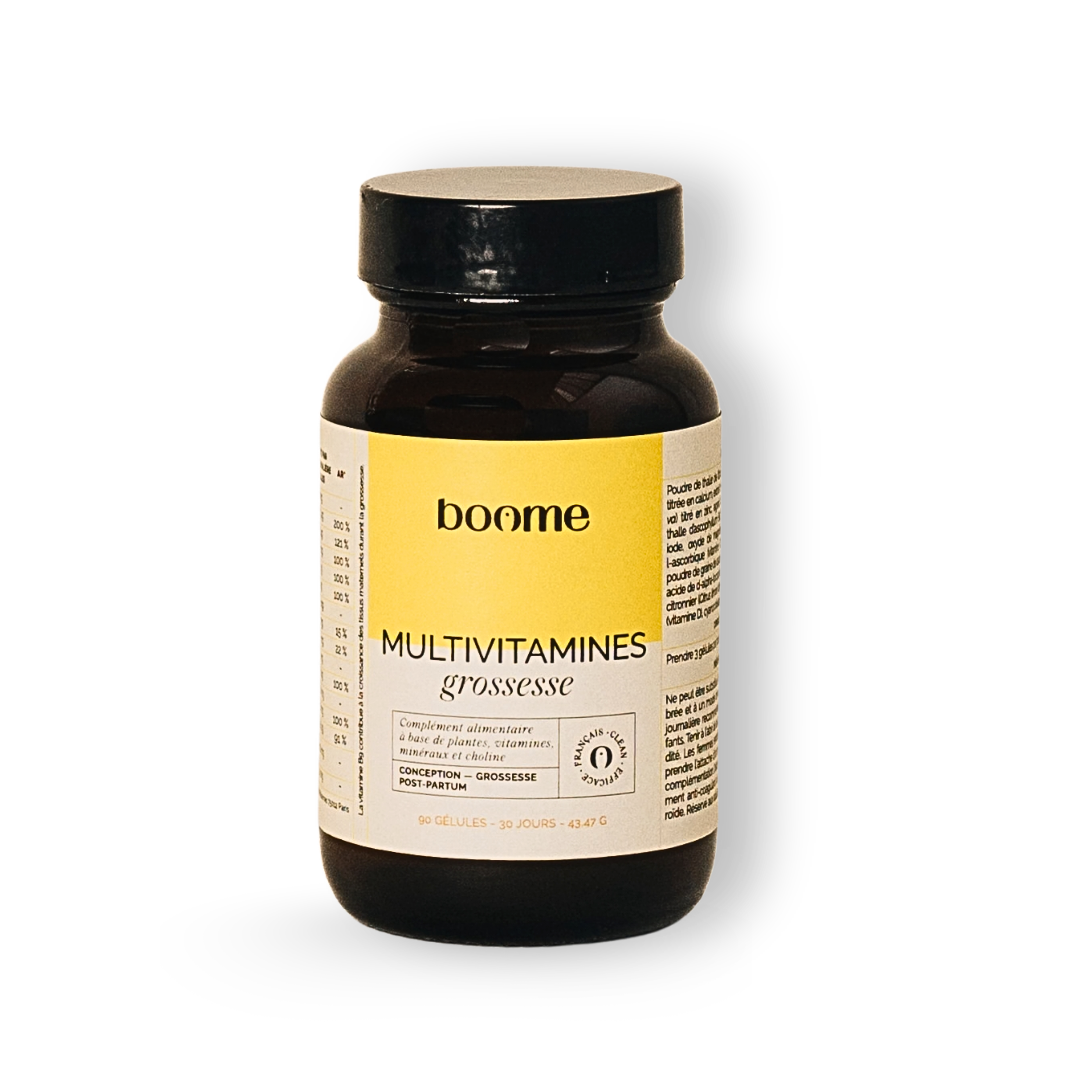
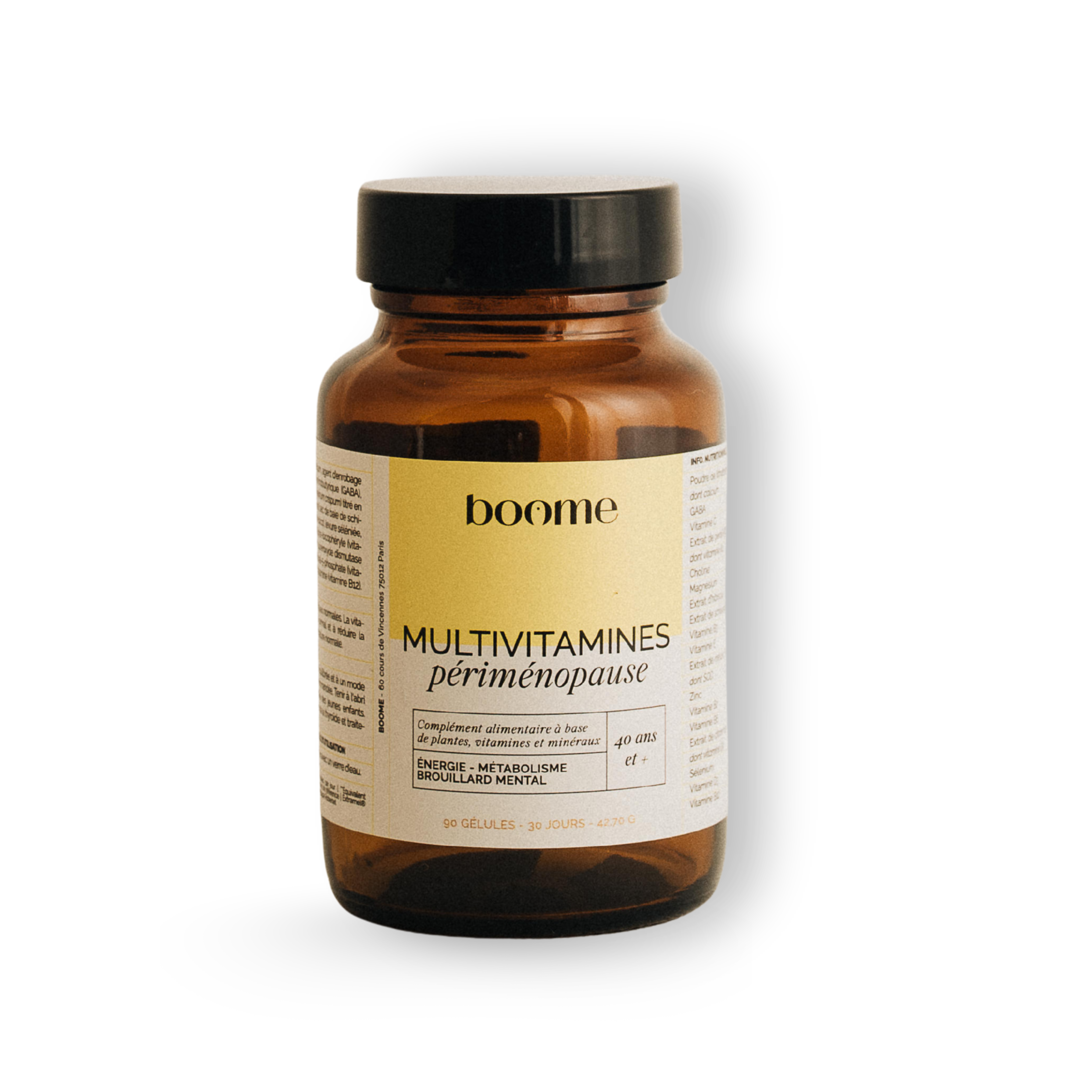
Related Products


Produits associés
Read more

Wondering why and how to get a hormone test? Have you heard about it before but aren't sure what it is? You've come to the right place. This test can be very useful for detecting hormonal imbala...

You've just experienced one of the most incredible moments of your life: the birth of your baby. As you adjust to this new reality, one question may be on your mind... When will your period re...

