



Spotting or metrorrhagia: what is it and how to react?
Sommaire
Are you experiencing light bleeding between periods and wondering if it's normal? Whether it's a simple hormonal reaction or a signal not to be ignored, spotting always raises questions. Is it a symptom of pregnancy? Of a hormonal imbalance? Of a more serious problem? Don't panic: in this article, we review everything you need to know about these mysterious small bleedings. When they are benign, when to worry... and above all, how to react effectively. Ready to clear up the doubt? Let's go!
What is spotting?
The term spotting, sometimes called metrorrhagia in medical vocabulary, refers to light vaginal bleeding that occurs outside of menstruation. Unlike menstruation, this blood loss is generally light and does not necessarily require sanitary protection. Although often benign, this phenomenon can sometimes signal a hormonal imbalance or an underlying medical problem.
When does spotting appear?
Spotting can occur at different stages of the menstrual cycle. For example, some women may notice light vaginal bleeding at the beginning or end of their period. But also on the 14th day, around the time of ovulation.
Outside of the cycle, these blood losses often accompany hormonal changes in the female body:
- during adolescence, a period known for its strong hormonal variations;
- in pregnant women, during the first days of pregnancy (this is called implantation spotting);
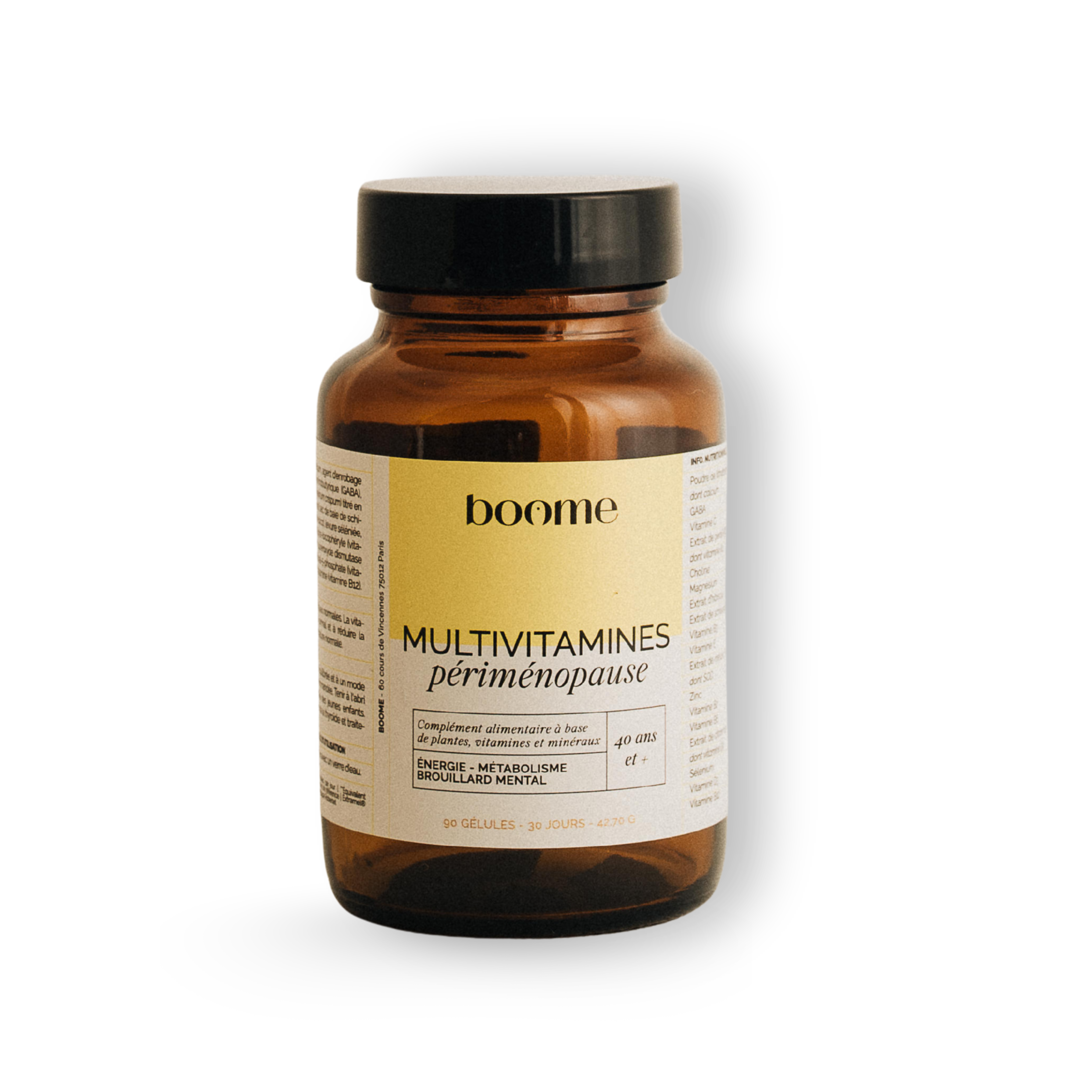
- during perimenopause;
- during a hormonal transition period related to the contraception method;
- postpartum, before the return of menstruation.
In short, you understand: spotting is tricky! And this vaginal bleeding can appear during, as well as outside of, the menstrual period... With no apparent connection to it.
How long does spotting last?
The duration of these types of bleeding depends on the individual experiencing them. From a few hours to 3 days, depending on the situation! Because, unlike menstrual bleeding, spotting does not follow a precise, more or less "regulated" pattern over time (as the saying goes).
In some cases, vaginal spotting is occasional and disappears quickly. For example, when it is ovulatory, it usually lasts only one day. However, intermittent bleeding that persists for several days, or that returns frequently... This may warrant a medical consultation (we will come back to this in our article, stay with us!).
What are the differences between spotting and periods?
It's not always easy to distinguish between spotting and periods! However, there are real differences between each type of bleeding.
First, spotting and periods differ in the amount of blood lost. Menstruation resembles heavy bleeding, which requires wearing sanitary protection to avoid staining. Spotting, on the other hand, appears more as light bleeding on underwear or toilet paper. It does not follow the same progression as periods. Because, as you know, normal periods often start with a light flow, then the volume of bleeding increases, becomes heavier before gradually decreasing.
Second important distinction: color! Indeed, spotting can be:
- light red;
- brown;
- pink.
Whereas menstruation is first bright red before darkening at the end of the cycle.
Finally, periods occur according to a regular pattern, corresponding to the menstrual cycle. Spotting, on the other hand, can appear at any time of the month, without following a precise timeline.
What causes spotting?
Hormonal fluctuations, gynecological problems... Many different factors can cause spotting. Among them, we find:
- Hormonal contraception: when you start or stop hormonal contraception (birth control pill, hormonal IUD...), you disrupt your hormonal balance. And therefore, you increase your chances of causing intermenstrual bleeding, especially in the first months of use.
- Ovulation: as we told you, some women may observe light spotting around the 14th day of the cycle, linked to the rupture of the ovarian follicle.
- The appearance of uterine fibroids or polyps: these benign lesions, located in the uterus, can cause abnormal bleeding outside of menstruation.
- Cervical irritation: sexual intercourse, smear test, insertion of a copper IUD... All these causes can increase the risk of spotting.
Is spotting a sign of pregnancy or miscarriage?
Yes, pregnancy spotting (or implantation spotting) exists. Because, a few days after fertilization, the embryo implants in the uterus. And this can cause light implantation bleeding for one to two days. You will recognize them, again, by their color: these vaginal discharges are generally pinkish or brownish. What's more, they occur approximately one week before the expected date of menstruation.
However, this kind of spotting, especially in the 1st trimester of pregnancy, can also become a warning sign. Especially if you notice:
- persistent bleeding;
- abdominal pain or stomach aches.
These signs may indicate a threatened miscarriage or an ectopic pregnancy. In these cases, do not hesitate for a second, and consult a doctor or midwife quickly.
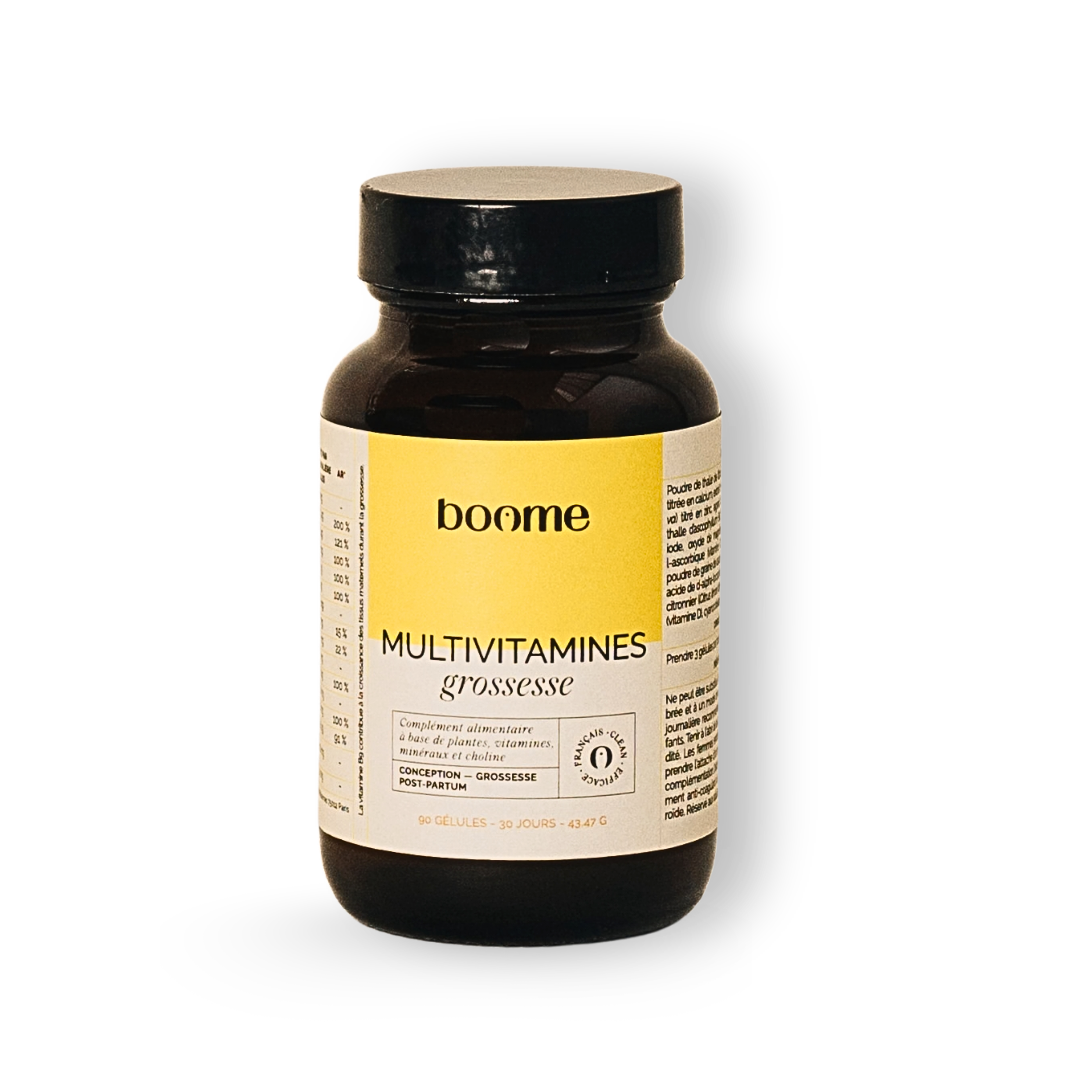
Are you pregnant or planning a baby? Are you looking to give your body a boost? Our pregnancy vitamins are waiting for you!
Can stress cause spotting?
Likewise: stress is one of the factors that can influence the cycle... And therefore, cause a risk of spotting. Why? Because intense stress disrupts the part of the brain that regulates hormones. If you are exposed to it, you risk producing excess cortisol. This can lead to a hormonal imbalance and surprising intermenstrual bleeding.
When to worry?
Rest assured: in the (great) majority of cases, vaginal spotting remains benign. And therefore, there is no reason to worry! Nevertheless, certain signs could prove abnormal. And therefore, they should lead you to consult.
For example, if the spotting persists, if it becomes frequent or lasts more than a few days... They may indicate hormonal disorders or a genital infection. Similarly, in menopausal women: spotting is never insignificant and always requires a minimum of investigation.
Thus, if the appearance and intensity of your bleeding seem unusual to you, pay attention. For example, if you notice unusual symptoms such as:
- heavy discharge in your underwear;
- bright red spotting with clots;
- the appearance of fever;
- great fatigue;
- minor pains;
- or severe abdominal pain.
These may be signs of a miscarriage or a form of infection. In all cases, you should be treated quickly.
Are you pregnant or planning a baby? Are you looking to give your body a boost? Our pregnancy vitamins are waiting for you!
How to stop it quickly?
Stopping intermenstrual bleeding first depends on its cause. For example, if your bleeding is related to your hormonal contraception, we would advise you to wait a few months for your body to adapt as best as possible.
However, if these small blood losses persist after this period, do not leave things as they are. Because they could really impact your lifestyle. You can then ask your doctor for a gynecological examination or a hormonal assessment, to check your menstrual health and possibly adjust your contraception or offer you an alternative.
If spotting persists only occasionally, you can implement a few solutions to reduce it naturally:
- Avoid stress through relaxation, yoga or meditation.
- Adopt a healthy lifestyle with regular sleep, a balanced diet and physical activity.
- Take food supplements, based on iron, which helps reduce fatigue (EFSA), or vitamin B6, which contributes to the regulation of hormonal activity (EFSA ID 73).
In short, don't panic: spotting is a common phenomenon and in most cases, nothing to worry about. However, try to pay attention to its frequency, duration and any symptoms. And, if in doubt, seek medical advice to understand the cause. In the meantime, listen to your body and take care of your lifestyle: these are the best reflexes to adopt for a balanced cycle!
Related Products


Produits associés
Read more

Gentle warmth, abundant light, a rhythm that slows down a bit... Summer creates a favorable environment for letting go. And for many women, this can coincide with a resurgence of desire. Not by ma...

Perimenopause is a natural hormonal transitional phase that precedes menopause, which can begin as early as 40 years old and last for several years. It is characterized by a gradual decrease in pro...

