


Understanding everything about PCOS syndrome and pregnancy
Sommaire
We would have preferred PCOS to be the name of the latest trendy cardio class, but these are the far less fun initials for “polycystic ovary syndrome” (a syndrome we could really do without). Also called Stein-Leventhal syndrome or ovarian polycystosis, it is a condition with multiple effects that affects the ovaries and can disrupt the fertility of women who have it. Let’s take a look.
What is PCOS, Polycystic Ovary Syndrome?
Still poorly understood and misdiagnosed (some women go years without knowing they have the condition), polycystic ovary syndrome nevertheless affects many women, but is still not easy to identify—especially because its symptoms are not always present.
Due to a hormonal imbalance of ovarian or pituitary origin (a gland that produces the hormones necessary for oocyte maturation, LH and FSH), this disease affects the endocrine system and disrupts the menstrual cycle. Specifically, it increases the production of hormones such as:
- testosterone;
- LH (luteinizing hormone).
While producing androgens is normal (it contributes to our mood, our libido, etc.), producing too much of them, on the other hand, leads to very unpleasant irregularities (spoiler alert: see the “symptoms” section).
Good to know:
- The name of this condition refers to the proliferation of small cysts around the ovaries, without a dominant follicle. This is visible during an ultrasound.
- It is the most common endocrine disease in women, and affects approximately 1 in 10 women of childbearing age (from adolescence to menopause).
- It is the leading cause of female infertility.
The causes of PCOS
It is not possible—as with most diseases—to find only one cause for PCOS; many factors come into play. Genetics play a role since predisposition genes have indeed been identified (about twenty), but they do not explain everything. Sometimes you have to look for a family history (don't hesitate to ask the women in your family). Finally, although no study has proven it to date, endocrine disruptors are suspected of having an impact on this disorder.
What are the symptoms of PCOS?
Not all women affected by polycystic ovary syndrome have the same symptoms. And since these are not always all present, the diagnosis is made more complex. But this hormonal disease is characterized by an excessive production of testosterone (usually produced in small quantities in the female body). It is this high level that leads to numerous malfunctions that are distressing in a woman's daily life.
1. Gynecological symptoms
- Irregular or less frequent periods (doctors call this spanio-menorrhea), or even an absence of periods (in this case, they will talk about amenorrhea).
- We also talk about anovulatory cycles, during which ovulation does not occur, thus preventing the possibility of getting pregnant.
2. Physical symptoms
- excess hair growth (hirsutism);
- acne problems;
- hair loss;
- obesity.
3. Metabolic symptoms
PCOS is also characterized by metabolic syndrome, such as:
- Insulin resistance (even if, to date, doubts remain as to whether this resistance is a consequence or a cause).
- The risk of diseases such as type 2 diabetes, or even high cholesterol levels.
Is it possible to get pregnant with PCOS?
The link between PCOS and infertility is frequent (since PCOS causes, as we have seen, menstrual cycles during which ovulation is impossible) but nevertheless not systematic. When fertility problems arise, they are, in fact, of ovulatory origin.
Unfortunately, pregnancies for women with PCOS often have more complications: higher rates of late-term pregnancy, risk of gestational diabetes, prematurity, perinatal mortality, pre-eclampsia… And miscarriages are more frequent—due in particular to higher insulin levels. But don't panic unnecessarily: thanks to medical advances, these fertility difficulties and complications do not prevent you from getting pregnant! It may just require a little more patience, guidance, and preparation.
If in doubt, do not hesitate to consult a doctor or gynecologist as soon as possible to get a diagnosis. They will likely be able to prescribe a hormonal check-up to measure certain hormone levels such as:
- follicle-stimulating hormone (FSH);
- luteinizing hormone (LH).
And then prescribe ovarian stimulation treatment.
If you know you have PCOS, consider adopting a few small adjustments to your daily life now; it can greatly help prepare your body for pregnancy. Engaging in regular physical activity, eating a mindful and balanced diet, sleeping well… Sometimes very simple lifestyle changes can have an impact, physically, but also mentally, on fertility. In addition, of course, to keeping you healthy!
You can also start folic acid supplementation to avoid possible fetal malformations and reduce the risk of miscarriage.
And to maximize your chances of pregnancy if you are planning a baby, do not hesitate to take a course of food supplements. Which one, for example? We have a little idea for you... our fertility vitamins for women are ideal for providing the vitamins and minerals you will need more than ever!
BONUS: Discover the benefits of vitamin D for pregnancy.

Related Products


Produits associés
Read more
Omega-3s are essential fatty acids that the body cannot synthesize on its own. They come in three forms: ALA (of plant origin), EPA, and DHA (found in fatty fish and microalgae). Recognized by A...
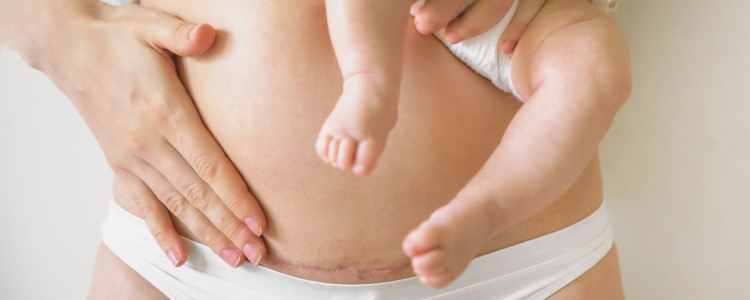
The return of menstruation refers to the reappearance of the first period after childbirth. It usually occurs between 6 and 8 weeks postpartum in non-breastfeeding women and can be delayed by sever...